Qualcuno sa qualcosa di più di questa storia, di cui, per ovvii motivi, si parla poco?
Da Il Capoluogo.com del 4/11/2009
Dal prestigioso Auditorium di “carta” del grande architetto giapponese di fama internazionale Shigeru Ban ai MUSP di una ditta di carpenteria metallica: storia di un progetto per il Conservatorio dell’Aquila che “non s’ha da fare”…
La vicenda è pressoché nota. Ma riassumiamola, con dovizia di particolari. All’indomani di un’immane tragedia che ha distrutto una città e sconvolto la vita di migliaia di persone, un illustre architetto giapponese – per la precisione – Shigeru Ban (uno dei progettisti delle torri gemelli, studio a Tokio, New York e Parigi, docente all’Università Key, membro del Voluntary Architecs Network) si interessa a L’Aquila (viene due volte l’11 giugno e il 12 agosto) ed elabora un disegno, che gli costerà diversi mesi di lavoro, per la riqualificazione della rimessa della ex metropolitana situata a Pettino, abbandonata e mai utilizzata. Il progetto, gratuito, realizzato da Ban con il suo Studio e il suo attuale team di collaboratori costituito da professionisti e docenti dell’Università dell’Aquila, di Genova, di Parma e di Perugia, oltre che da specialisti francesi e giapponesi, prevedeva una struttura all’avanguardia da donare al Conservatorio. Shigeru Ban è noto in tutto il mondo per utilizzare, nelle sue complesse architetture, materiali poveri come il legno, la carta, il cartone (da qui il nome Auditorium “di carta”) anche prodotti con processi di recupero e di riciclo. Per questo motivo ha operato con estrema efficacia in quei paesi devastati da eventi drammatici, come il terremoto appunto, in Giappone, nelle Filippine, in Turchia e in Cina.
Il punto focale del progetto prevedeva una Sala per Concerti capace di ospitare fino a 550 persone, tra pubblico e professori d’orchestra, con una superficie di circa 600 metri quadrati, definita da una curva perimetrale di colonne di cartone di varia sezione (era stata già individuata una ditta di Chieti per la fornitura dei casseri e il preventivo si aggirava sugli ottantamila euro) che ne avrebbero delimitato lo spazio. Le pareti, come anche il soffitto, erano state pensate in modo tale da garantire un perfetto isolamento acustico e termico, oltre che una barriera al fuoco. L’illuminotecnica era stata tarata a seconda delle esigenze: ogni aula avrebbe avuto un’illuminazione diversa. Accanto alla Sala Concerti era prevista la Sala Prove in forma ellittica (150 metri quadrati), inoltre una biblioteca di 145 metri quadrati, una sala di recitazione (60 metri quadrati), uno spazio per la terapia musicale (70 metri quadrati), uno spazio per il ricovero degli strumenti musicali (100 metri quadrati), una sala privata a servizio dell’orchestra (100 metri quadrati) e una superficie di circa 300 metri quadrati ad uso uffici per l’organizzazione e la gestione della didattica e delle iniziative culturali del Conservatorio di Musica. La realizzazione di questo complesso era stata definita per la fine di ottobre. Durante il G8 il primo ministro giapponese Taro Aso dona il modellino di plastica al nostro premier Silvio Berlusconi. La Protezione Civile indica, come somma approssimativa messa a disposizione per il Conservatorio dell’Aquila, sette milioni di euro.
Il progetto di Shigeru Ban costa cinque milioni e mezzo più IVA. Perfetto. Il 3 agosto viene espropriato il terreno per i lavori con tanto di targa. L’8 agosto viene bloccato tutto. Perché? Perché un progetto senza problemi economici, senza problemi tecnici, senza problemi strutturali e senza problemi inaugurali (per la cerimonia d’inaugurazione si sarebbe scomodato niente popò di meno che il giapponese Seiji Ozawa, uno dei massimi direttori d’orchestra al mondo) è stato buttato via così? Quante cose dette e poi negate…un mistero.
Il Direttore del Conservatorio Bruno Carioti chiede spiegazioni a Bertolaso e si dice preoccupato che un progetto di tale rilevanza, in grado di connubiare funzionalità e prestigio, sia stato accantonato per privilegiarne un altro che, quasi sicuramente, sarà di una normalissima ditta edile. Addirittura Renzo Piano telefona a Carioti per capire come sia stato possibile rifiutare un’opportunità del genere.
La Protezione Civile replica che non si è ancora deciso nulla e in data 11 settembre 2009 indice un Bando di gara – si legge nel sito – “per la selezione di operatori economici ai quali affidare la progettazione, i lavori, la fornitura, il trasporto e la posa in opera di Moduli Provvisori ad Uso Scolastico (MUSP) per il Conservatorio A. Casella dell’Aquila”. Risponderanno in quindici. Il 22 settembre si conclude la procedura. All’apertura delle buste vince una ditta per un ribasso anomalo. La Protezione Civile si insospettisce e, dopo ulteriori approfondimenti, conferma l’aggiudicazione dell’appalto. A Collesapone i lavori per i MUSP del Conservatorio partono il 15 ottobre; dovrebbero finire per il mese di novembre.
Ma perché si è preferito un progetto qualsiasi al progetto di Shigeru Ban? Perché? Lo chiediamo al Capo della Protezione Civile Guido Bertolaso, lo chiediamo al Sindaco dell’Aquila Massimo Cialente, lo chiediamo a chiunque sia in grado di fornirci una risposta. Soddisfacente. Intanto speriamo che la faccenda non si concluda qua, speriamo che il governo giapponese insista, speriamo che il governo italiano, Bertolaso e Cialente si interessino a far sì che qualcosa si smuova, speriamo che sia stato un errore, anzi un brutto sogno. Speriamo che l’Italia non faccia questa brutta figura e che L’Aquila e gli aquilani non si debbano accontentare solo un prefabbricato. Noi del Capoluogo.it lo speriamo. Noi, insieme a molti aquilani, ancora speriamo. Dopotutto domani è un altro giorno.
di Eleonora Egizi
*****
ANSA ore 12,44
TERREMOTO: L’AQUILA; STOP A SALA CONCERTI GIAPPONESE, STAMPA
(ANSA) – TOKYO, 4 NOV – Il progetto di costruzione di una sala concerti all’Aquila, che doveva essere finanziata per metà dal Giappone nell’ambito degli aiuti internazionali di ricostruzione post terremoto, è stato sospeso per mancanza di fondi e rischia di creare frizioni tra Roma e Tokyo. Lo riferisce lo Yomiuri Shimbun, il più diffuso quotidiano del Sol Levante con più di 12 milioni di copie nella sola edizione del mattino, nella corrispondenza da Roma di Kazuki Mazuhara (“assistenza giapponese sospesa unilateralmente”). Il progetto, illustrato lo scorso luglio dall’ex premier nipponico Taro Aso al presidente del Consiglio Silvio Berlusconi in occasione del summit del G8, prevedeva la realizzazione in due mesi di una sala concerti innovativa, soprattutto per l’uso di cartone compresso, dell’architetto giapponese, Shigeru Ban. Il costo, in particolare, era ipotizzato in un milione di euro, di cui la metà a carico del governo nipponico e l’altra coperta con la raccolta di fondi. Stime italiane, invece, ipotizzano, considerando le infrastrutture accessorie (parcheggi e viabilità), costi per circa 3,6 milioni di euro. “Manca il budget”, è il commento dei responsabili per la ricostruzione post terremoto, riferisce il quotidiano nipponico. “La sospensione è fuori dal senso comune della diplomazia perché si tratta di una cosa decisa tra i capi di governo dei due Paesi”, è il commento dell’ambasciatore giapponese a Roma, Hiroyasu Ando.
ANSA ore 13,23
TERREMOTO: PROT. CIVILE, DONAZIONE TOKIO POCO PER AUDITORIUM – BERTOLASO VEDRA’ AMBASCIATORE GIAPPONESE PER SCELTA ALTRA OPERA
L’Auditorium dell’Aquila non si farà, o almeno non è possibile in questo momento e si dovrà trovare un accordo per far confluire su un’altra opera la donazione del governo giapponese. Lo confermano fonti della protezione civile nazionale, interpellate dall’ANSA a proposito della notizia pubblicata da un giornale giapponese, Yomiuri Shimbun, che lamentava lo stop all’opera al quale il governo di Tokio intendeva partecipare con una donazione di 500 mila euro e un progetto firmato dall’architetto Shigeru Ban. “L’Auditorium – spiegano le fonti della Protezione civile – costerebbe chiavi in mano 4 milioni di euro. Il problema è che per attuare tutte le opere nel territorio stiamo procedendo attraverso gare di appalto. E questo ovviamente non sarebbe possibile farlo per un’opera già progettata. Dovremmo procedere attraverso assegnazione diretta, ma questo noi stiamo cercando sempre di evitarlo. Non potendo procedere ad assegnazione tramite gara, servirebbero ulteriori finanziamenti. I 500mila euro offerti dal governo nipponico sono insufficienti”. Quindi l’opera non si farà? “No, al momento non è possibile. Bertolaso – annunciano le stesse fonti – ha già preso appuntamento per la prossima settimana con l’ambasciatore giapponese per trovare una soluzione alternativa che consenta con la donazione nipponica di realizzare un’opera completa”.(ANSA)



 Per le Olimpiadi di Londra i pubblicitari hanno avuto abbastanza fondi da potersi scatenare e devo dire che la maggior parte delle loro realizzazioni è tecnicamente egregia e professionalmente ineccepibile (vedi il video qui sotto).


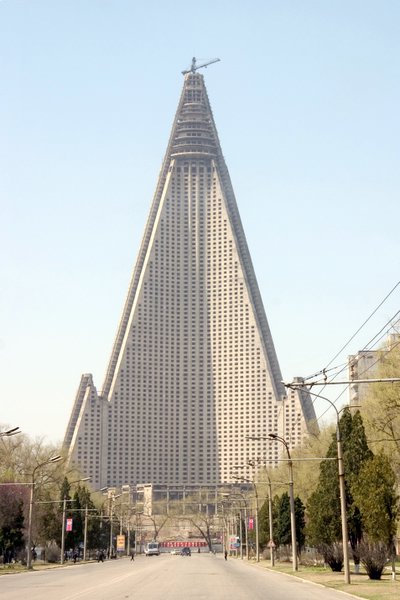


 The Drawing Center


 Questa incredibile costruzione Art Deco di 26 piani, con tanto di aquile che le danno un aspetto quasi neo gotico, si trova a San Francisco ed è vuota.