LibriVox

lapide

LibriVox is a hope, an experiment, and a question: can the net harness a bunch of volunteers to help bring books in the public domain to life through podcasting?
LibriVox volunteers record chapters of books in the public domain and release the audio files back onto the net. Our goal is to make all public domain books available as free audio books. We are a totally volunteer, open source, free content, public domain project.

Per chi ama la poesia in lingua originale, segnalo LibriVox, un sito il cui sottotitolo dice tutto: acoustical liberation of books in the public domain.
LibriVox offre un vasto catalogo di letture di testi i cui diritti sono ormai scaduti. La maggior parte è in inglese perché sono loro ad avere questa bella tradizione del reading poetico. Ma non c’è solo poesia, anche romanzi, saggi e testi di tutti i tipi.

From LibriVox
Henry Wadsworth Longfellow – The Siege of Kazan – Read by: Peter Yearsley


Black are the moors before Kazan,
And their stagnant waters smell of blood:
I said in my heart, with horse and man,
I will swim across this shallow flood.
longfellow
Under the feet of Argamack,
Like new moons were the shoes he bare,
Silken trappings hung on his back,
In a talisman on his neck, a prayer.

My warriors, thought I, are following me;
But when I looked behind, alas!
Not one of all the band could I see,
All had sunk in the black morass!

Where are our shallow fords? and where
The power of Kazan with its fourfold gates?
From the prison windows our maidens fair
Talk of us still through the iron grates.

We cannot hear them; for horse and man
Lie buried deep in the dark abyss!
Ah! the black day hath come down on Kazan!
Ah! was ever a grief like this?

Il deposito dei 10000 anni

signalFinora, il sarcofago di Chernobyl era additato come il più evidente monumento alla follia autodistruttiva dell’uomo, destinato ad essere conservato integro per migliaia di anni e utilizzato dagli oppositori del nucleare per dimostrare la sua pericolosità.
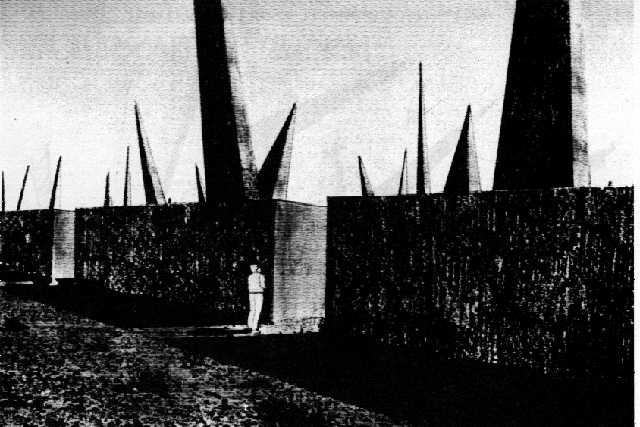
I fautori dell’energia nucleare, invece, sostengono, a ragione, che la centrale di Chernobyl era un impianto vecchio e insicuro, ma ora, negli Stati Uniti, additati come dimostrazione dell’esistenza di centrali sicure, è quasi completo un altro monumento a mio avviso ancora più folle, perché non è frutto di un incidente, ma di un pensiero lucido e razionale.
Si tratta del Waste Isolation Pilot Plant (WIPP), una discarica nucleare sotterranea situata nel deserto del New Mexico, profonda fino 2150 piedi (ca. 650 m).
Qui sono stati depositati per anni tutti i rifiuti radioattivi provenienti dalle centrali nucleari degli USA e quando sarà pieno (ed è quasi pieno) dovrà essere sigillato definitivamente.
Certamente il WIPP è sicuro. Test continui anche di terze parti, hanno dimostrato che nessuna radiazione sfugge dal deposito sotterraneo e si può anche camminarci sopra in assoluta sicurezza. Se è per questo, ci credo, ma il punto non è questo.
Il punto è che, dal momento della chiusura, sarà necessario segnalare chiaramente che chi scava qui, muore. E non solo: scavando si potrebbe aprire un vaso di pandora in grado di avvelenare una vasta area, prima che la fonte venga identificata e richiusa.
Fin qui niente di strano. Il governo americano è certamente in grado di impedire l’accesso all’area. Il problema, però, sta nel fatto che questo divieto dovrà essere mantenuto per almeno 10.000 anni, tale è il periodo di tempo necessario perché le scorie diventino relativamente innocue.
10.000 anni sono un periodo di tempo inimmaginabile. I monumenti più antichi che abbiamo, le piramidi, esistono dalla metà di questo tempo.
Il problema che i tecnici stanno affrontando è di far sì che questa informazione vitale venga tramandata e si conservi intatta per questo inimmaginabile periodo di tempo.
Guardate queste immagini:

Per noi sono chiarissime, ma cosa diranno ai nostri discendenti anche fra “soli” 3000 anni? Come sarà la razza umana fra 10000 anni? Come progettare un messaggio che mantenga intatto il suo significato nonostante le inimmaginabili differenze culturali che si produrranno?
Se ne è occupata la Sandia Corporation, producendo un suggestivo rapporto in cui si immagina di costruire strutture che evochino un senso di pericolo, come quella nell’immagine di apertura. Suggerimenti solo in parte accolti dal governo, che ha optato per soluzioni più tradizionali, ma qualsiasi soluzione, a mio avviso, è insufficiente di fronte alla curiosità umana.
Così come le maledizioni e le iscrizioni non ci hanno impedito di entrare nelle tombe dei faraoni, nessuna struttura è in grado di impedire che i nostri lontani discendenti cerchino di capire cosa c’è lì, anzi, per me, la presenza di costruzioni strane e uniche come quelle proposte nel rapporto di cui sopra, sarebbe solo un incentivo a scavare.

Alarm will sound

Alarm Will Sound is a 20-member band committed to innovative performances and recordings of today’s music. Musical Artists-in-Residence at Dickinson College, they have established a reputation for performing demanding music with energetic virtuosity. Their performances have been described as “equal parts exuberance, nonchalance, and virtuosity” by the London Financial Times and as “a triumph of ensemble playing” by the San Francisco Chronicle. The New York Times says Alarm Will Sound is “the future of classical music.”
The versatility of Alarm Will Sound allows it to take on music from a wide variety of styles. Its repertoire ranges from European to American works, from the arch-modernist to the pop-influenced. The group fosters close relationships with contemporary composers, premiering pieces by Steve Reich, David Lang, Anthony Gatto, Cenk Ergün, Aaron Jay Kernis, Michael Gordon, Augusta Read Thomas, Stefan Freund, and Wolfgang Rihm.

La tonalità è dura a morire

Here is the music composed and conducted by Roger Bourland for the motion picture about Paul Gauguin “The Wolf at the Door” (1986, Henning Carlsen, director; starring Donald Sutherland as Gauguin).
Nothing strange, but the fact that on the page you can find 15 pieces, each with its own player, so, with 15 fast mouse clicks, you can play them all together. Try it, if your bandwidth support the whole data flow.
Of course this post is not to mock the Bourland’s music. I only want to suggest an unusual listening experience.

Roger Bourland ha messo in linea le sue musiche composte per il film su Gauguin “The Wolf at the Door” (1986, Henning Carlsen, director; starring Donald Sutherland as Gauguin).
Fin qui niente di strano. Sono musiche da film prettamente tonali.
Il bello è che sulla pagina ci sono 15 brani, ognuno con un suo player, per cui, con 15 rapidi click, potete farli suonare tutti insieme, ammesso che abbiate banda, naturalmente (io ci riesco, ma di notte).
La cosa interessante è che, nonostante il temibile mix, il tutto mantiene un marcato carattere tonale.
Ovviamente questo post non vuole prendere in giro la musica di Bourland, ma solo proporre un’esperienza di ascolto insolita.
Li trovate qui.

La seconda scuola viennese

CONSERVATORIO DI MUSICA
“E. F. DALL’ABACO”

“DALLE SEI ALLE SETTE”
Martedì 24.4.2007, ore 18

musiche per pianoforte
della seconda scuola viennese

  • Schönberg: Op. 11, Op. 19, Op. 25
  • Berg: Sonata Op. 1
  • Webern: Satz für Klavier

al pianoforte:

    Flavia Casari
    Tessa Catchpole
    Stefano Chiozzi
    Oana Dancescu
    Xavier Locus

Ingresso Libero

Auditorium Nuovo Montemezzi
Piazza S. Anastasia

Merg

Tornano le recensioni dalla nostra inviata nelle Terre Basse, Valeria.
Una delle particolarità dello spettacolo di cui parliamo è la commistione di danza contemporanea e musica antica, relativamente rara da noi, ma più comune in terra olandese.
Leine & Roebana non sono nuovi a performances di questo tipo: hanno già lavorato su musiche di Rameau eseguite dall’Orchestra of the Eighteenth Century, condotta da Frans Brüggen.

Merg
Merg
Andrea Leine & Harijono Roebana

Music: Monteverdi, Luzzaschi, d’India, Rossi, Gabrieli, Frescobaldi

L’intera atmosfera era costituita da cinque danzatori, tre femmine e due maschi, un’orchestra che dietro una specie di velo suonava musica barocca, tre cantanti, una femmina di sicuro, dubito la sessualità riguardo gli altri due, e da pannelli alle pareti con frasi del tipo: tu e me; te lo dico sottovoce…ti amo, oppure altre che riguardavano per esempio l’aspetto malinconico di un amore finito e così via.

Non ho notato nessun particolare sviluppo all’interno della rappresentazione, è stata più una successione di immagini e atmosfere, create dai danzatori, che a volte ballavano a volte recitavano e dai/dalle cantanti che erano perfettamente attive all’interno della scena, si muovevano con i danzatori e a volte ballicchiavano anche!

Dal punto di vista musicale si alternavano momenti di silenzio, in cui l’unico suono era il respiro o certi suoni prodotti dai danzatori, con momenti di sola musica, solo canto o entrambi e i ballerini hanno sperimentato un po’ tutti i tipi che di relazioni che si possono avere con una base musicale. Il più delle volte la seguivano, specie nei momenti in cui ballavano all’unisono, ma altre volte non se ne curavano particolarmente, specialmente nei momenti più teatrali.

Dal punto di vista della danza sono rimasta veramente colpita! Mi dispiace solo che dal video che c’è sul loro sito (ecco il link diretto al video) non si riesca a cogliere molto!

Premesso che i ballerini sono proprio bravi, e con questo includo tecnica, espressività, fisicità, il loro stile è sicuramente tecnico, utilizzano infatti (ora uso termini un po’ popolari, tanto per farmi capire) giri, gambe alte, tutti segnali che dimostrano il fatto che alle spalle c’è sicuramente un forte background classico.

Ma non solo, tutto il movimento è basato sul continuo alternarsi di free flow (ovvero movimenti in cui il ballerino lancia letteralmente parti del suo corpo o conferisce una particolare dinamica al movimento, per cui non è in grado di controllare il movimento, di fermarlo in qualsiasi punto) e bound flow (ovvero movimenti perfettamente controllati, per rendere l’idea, che se qualcuno gli chiedesse in qualunque momento di fermare il movimento il ballerino sarebbe in grado di farlo) e questo alternarsi porta sempre continue “sorprese” o piccoli shock, perché lo spettatore non si può mai adagiare alla vista di un solo modo di muoversi, ma viene continuamente “provocato”.

Poi ho trovato lo stile estremamente sensuale, anche per coerenza con il tema dello spettacolo, incentrato puramente sull’amore. E questo lo deduco dal fatto che i movimenti spesso venivano iniziati da spalle e anche, o comunque da parti centrale del corpo, spesso erano movimenti circolari e che progredivano nel movimento come onde o comunque con una certa fluidità e sensualità fino alle parti più periferiche del corpo, coinvolgendolo in toto. In realtà successivamente, sempre anche per far si che lo spettatore non si adagiasse troppo comodamente, per esprimere gelosia, eccitazione o incomprensione usavano movimenti più staccati, con più insolazioni di parti del corpo, iniziando i movimenti più spesso da parti periferiche, come un piede, una mano o un braccio, e con più salti e floor work (sequenze e seguite a terra come rotolamenti etc.) comunque movimenti più dinamici, veloci e scattanti.

Quindi lo stile mi è piaciuto per la quasi sempre equilibrata combinazione tra tecnica e espressività, e per la varietà dei movimenti, bene equilibrati con le parti più teatrali e recitative.

Ho apprezzato anche la scelta dell’atmosfera, l’ho trovata ben studiata e curata, e mi riferisco tanto ai pannelli appesi, insieme alla scelta della musica live e dell’interazione attiva con i/le cantanti, quanto ai cambi di scena e di atmosfera al giusto momento e della giusta intensità!

L’unica pecca è che ho trovato il tutto, per rappresentare solo immagini e atmosfere, un po’ lungo, è durato poco meno di due ore, il che non sembra ma è tanto, e alla fine dello spettacolo devo ammettere di essermi un po’ annoiata e di aver cominciato a pensare alla spesa che dovevo fare il giorno dopo….
Perle ai porci?

Forse ne avete già sentito parlare…
Washington D.C., zona centrale (uffici). Sono circa le 8 di mattina di venerdì 12 gennaio. Un bianco dall’aria giovanile vestito in jeans, T-shirt e cappellino da baseball si piazza in una stazione della metro molto frequentata, tira fuori un violino dalla custodia, la posa davanti a sè nel classico atteggiamento del mendicante e si mette a suonare la Ciaccona di J.S. Bach.
E la suona da dio, perché lui è Joshua Bell, uno dei più acclamati violinisti contemporanei e il suo strumento è uno Stradivari da 3.5 milioni di dollari.
In totale suona 6 pezzi, per circa un’ora. Poi raccoglie i soldi e se ne va. La scena è filmata da camere nascoste. Si tratta di un esperimento ideato dal Washington Post (3 estratti del video su washingtonpost.com, UPDATE: ora il video è anche su You Tube, andate giù nella pagina).

In quell’ora passano 1097 persone, in gran parte impiegati di vario livello. Magari c’è anche qualcuno che ha pagato $100 per ascoltarlo alla Boston’s Symphony Hall solo tre giorni prima.
Soltanto in sette si fermano ad ascoltare per più di un minuto. 27 persone gli lasciano qualche moneta, per un totale di $32. Una sola persona lo riconosce.

Guardando il video avrete notato che l’acustica non è neanche malvagia e si sente benissimo che non è uno qualsiasi.
E allora?
Per quanto mi riguarda, sicuramente non avrei riconosciuto Joshua Bell, ma mi sarei fermato e gli avrei dato qualche dollaro. Lo dico perché mi è capitato con un violoncellista nella metro di S. Pietroburgo. Suonava troppo bene. Mi sono fermato per poi scoprire che era un membro dell’orchestra di stato a cui non pagavano lo stipendio da due mesi.
Quindi ipotizziamo che quelle 27 persone che gli hanno dato qualcosa abbiano pensato “che bravo… mi fermerei volentieri, ma faccio tardi al lavoro”.
E gli altri 1070? Ammettiamo che un’altra settantina abbia pensato la stessa cosa, anche se non gli ha dato niente. Ne resta sempre un migliaio.
Notate che si trattava di uno dei più acclamati violinisti viventi che suonava alcuni dei più grandi capolavori mai scritti con uno dei migliori strumenti mai costruiti. Roba da sindrome di Stendhal.
Ne consegue che, se nessuno è in grado di notarlo, evidentemente abbiamo un problema culturale non banale.

  • La nostra società non educa la gente a riconoscere e apprezzare la bellezza?
  • O ci costringe a ignorare ciò che ci sta intorno?
  • O ancora, dovremmo riaprire il secolare dibattito epistemologico su cosa sia la bellezza?

Che ne pensate?

50 anni

Fifty years ago, in 1957, at Bell Telephone Laboratories, Max Mathews demonstrated that the digital computer can be used as a fantastic new music instrument. He created a revolutionary software platform destined to form the basis of all contemporary digital musical systems (Music 1–Music 5).
His audacious ideas were driven by the belief that “any sound that the human ear can hear can be produced by a computer”. Mathews’s mastery of this new instrument revealed new musical horizons and sparked a burgeoning curiosity into the very nature of sound. His comprehension and elaboration made five decades of art and research possible, laying the groundwork for generations of electronic musicians to synthesize, record, and play music.
Today at Stanford’s Center for Computer Research in Music and Acoustics (CCRMA) as a Professor Emeritus he continues not only to educate students and colleagues, but also to guide and inspire with his constant inventiveness and pure musical pleasure.

Stries

parmegiani

Stries, by Bernard Parmegiani is derived from an earlier composition, VIOLOSTRIES (1963) for violin and tape. Bernard PARMEGIANI has re-worked the tape and has based the parts for synthesizers on this new version.
The formal and musical logic of STRIES is therefore determined by the initial tape. It is very dense and orchestral (in the electroacoustic sense, as a definition of various planes of presence in the mixing of voices, of staggering in the sound spectrum, of coloring, and of the development of new sound elements of varying complexity). The synthesizers do not have a true solo role (in the classical sense of being contrasted to the tutti), but are superposed over the tape, mostly to accentuate it or to develop an aspect, without ever diverging from it or opposing its development.
In the first movement the synthesizer parts are not scored, but are freely improvised by the performers.

Sounds produced by a violin are fed into the synthesizers. The transformations they have undergone have not entirely erased their original character. Their interwoven horizontal form, their unchanging thickness, and their invariable color enable the TWO to sculpt them, to paint with them. The performers’ chisels and brushes are the modulators and filters which give them relief, color them, break them up, interchange them, lighten or darken them.
But in spite of all these manipulations, the original sound is preserved. It can still be divided: while one part of it is processed, the other remains intact. All this takes places within a framework which can be enriched on the spur of the moment with inspired finds.

from ANABlog

ANABlog ripubblica un “vecchio” (anni ’60) lavoro di Bernard Parmegiani che vale la pena di ascoltare.
Questo brano deriva da un pezzo del 1963, VoloStries per violino e nastro. Parmegiani riprende la registrazione di questo pezzo e la riarrangia sia come sonorità, elaborandone i suoni con i sintetizzatori dell’epoca, sia rimontando le parti originali.

Sounds produced by a violin are fed into the synthesizers. The transformations they have undergone have not entirely erased their original character. Their interwoven horizontal form, their unchanging thickness, and their invariable color enable the TWO to sculpt them, to paint with them. The performers’ chisels and brushes are the modulators and filters which give them relief, color them, break them up, interchange them, lighten or darken them.
But in spite of all these manipulations, the original sound is preserved. It can still be divided: while one part of it is processed, the other remains intact. All this takes places within a framework which can be enriched on the spur of the moment with inspired finds.

Bernard Parmegiani – Stries

Il duro lavoro del sound designer

This video shows how to create sounds of bodies being crushed, ripped open and torn asunder, by abusing of vegetables.
Note the microphone always very close to the object, to record a strong and clear sound.

Questo video mostra come ottenere rumori di corpi spiaccicati, smembrati, eccetera, abusando di frutta e verdura.
Notate come il microfono sia sempre molto vicino all’oggetto, per ottenere un suono forte e molto presente.

from darkSector

Easter Eggs

Open a blank page on Firefox and type in the address bar

about:mozilla


The Beast continued its studies with renewed Focus, building great Reference works and contemplating new Realities. The Beast brought forth its followers and acolytes to create a renewed smaller form of itself and, through Mischievous means, sent it out across the world.

from The Book of Mozilla, 6:27


In 2007 the citation was

And so at last the beast fell and the unbelievers rejoiced. But all was not lost, for from the ash rose a great bird. The bird gazed down upon the unbelievers and cast fire and thunder upon them. For the beast had been reborn with its strength renewed, and the followers of Mammon cowered in horror.

from The Book of Mozilla, 7:15

Mureau

John Cage’s lecture.
The lecture begins with reading of Mureau, the first part of “Empty Words”, which is based on a Thoreau text. The program concludes with a lengthy question and answer session that followed Cage’s appearance at the Cabrillo Music Festival in August 1977. It is often in addressing the public’s questions that Cage’s brilliance is most memorable, and this example is no exception. Of particular interest is his description of how he uses chance operations in his creative processes.

Una lezione tenuta da John Cage nell’agosto 1977.
Inizia con una esecuzione di Mureau, una lettura basata su testi di Henry David Thoreau, che, qualche anno dopo, diventerà la prima parte di Empty Words.
Mureau (1970) è descritto come

An I-Ching determined Collage of Quotes on Music, Sound & Silences from the Diaries of D.H.Thoreau

e in effetti il titolo è la giustapposizione della prima parte della parola Music e di quella finale di Thoreau.

Prosegue, poi, con una serie di domande del pubblico e relative risposte. Di particolare interesse, in questa seconda parte, la descrizione dell’utilizzo di operazioni casuali come parte del processo creativo.

from Internet Archive
Mureau can also be downloaded from UBUWeb in a 1972 execution.

Siberian Cutup Neofolk

https://ia803409.us.archive.org/10/items/apl012/apl012.jpg

Gultskra Artikler – Gruppa Turistov, published by THINNER/AUTOPLATE netlabel.
Alexey Devyanin aka Stud & Alexey Glazachev are russian musicians from the cold and far Siberia. And when i was shown those pieces of neofolklore, i must admit i’ve hardly listened to such improvised music. Perfect blends of field recordings, traditional, organic acoustic instruments, speeches and a deep sense of expression shape this release to a styledefining melange of transforming impressions into soundscapes and moving emotionality.

Gultskra Artikler – Gruppa Turistov

Teplo Spokoyno I Yabloko
Punkt Gorod
Download

To Andrei Tarkovsky

Un altro brano di Artem’ev (Эдуард Артемьев) che mostra come la sua collaborazione con Tarkovsky non fosse poi così incidentale come alcuni sostengono.

Eduard Nikolayevitch Artemyev – Dedication To Andrei Tarkovsky

Schnittke elettroacustico


An electroacoustic work by Alfred Schnittke published by russian label Electroshock records.

Che Alfred Schnittke avesse scritto anche della musica elettroacustica, sinceramente non lo sapevo. Ma la già citata etichetta russa Electroshock records, in questa antologia denominata “Electroacoustic Music Vol. IV,” che raccoglie musica elettroacustica russa realizzata fra il 1964 e il 1971, ha tirato fuori questo Steam, un brano di “drone music” decisamente apprezzabile.
Questo brano è stato realizato con l’ANS synthesizer, una macchina costruita in un’unica copia da Evgeniy Murzin e oggi conservata presso l’Università Lomonosov a Mosca. Vedi ANS synthesizer in wikipedia ita o eng.

Alfred Schnittke – Steam

Artemiev

Eduard Nikolayevitch Artemyev is a composer whose name for many people is associated with electronic music. With unusual soundings, easily discernible in the present-day sound environment by their abundance of nuances and unaccountable acoustic comfort. With a peculiar world of imagery, sense of space so striking for the mind.
Artemiev accomplished his academic musical education at the Moscow Conservatoire in Yuri Shaporin’s class of composition. His meeting with engineer Eugene Murzin – one of the first in the world to invent a synthesiser – sealed his fate: “Incredible prospects for creativity were opened up by electronic music. That was a real “terra incognita”. Composers had never set foot on it in their practical activities”. It happened in 1960.
Kindred to the aesthetics of avant-garde is his music for films of Andrei Tarkovsky. The unordinary tasks set by the director required similar creative efforts on the part of the composer. Writing the music to “Solaris”, “The Mirror”, “Stalker” resulted in serious experiments in electronics and the specific sphere of audio-video contact.
Now we can listen to the soundtrack created by Artemiev for Solaris by Andreij Tarkovsky, today republished on a CD that collects extracts from the three Tarkovsky films with music by Artemiev (Solaris (1972), Stalker (1979) and The Mirror (1975)) , released on the Electroshock label, managed by his son Artemly.
Obviously all sounds are created by analog synthesizers.

Vento sul Web

WindMaker is an ambient weather widget that applies the current wind conditions to your Web site. First, it uses a United States ZIP Code to grab local conditions from the Yahoo Weather RSS feed. Second, it parses your Web site into individual pieces such as text blocks and images. Finally, WindMaker sets the pieces in motion according to the strength of the wind.

Se volete muovere tutto sulla vostra pagina web, andate in WindMaker e lanciatelo scrivendo l’url della pagina vi interessa e uno zip code (al limite lasciate quello che c’è).
L’effetto è bellino e non è definitivo. È solo una prova.
Lo Zip code serve per andare a leggere le condizioni del vento in quella località e muovere il tutto di conseguenza. Se ne volete un tot, mettete quello di Chicago, la città ventosa: 60601.
Se poi vi piace, ci sono anche le istruzioni per renderlo permanente.

Att.ne: lo script di prova non può funzionare sulle pagine generate dinamicamente in PHP. In questo caso funziona solo se lo inserite nel codice.

Beethoven in Morse

Qualcuno ricorda il codice morse? Quella serie di beep – beep – beeeeeep (punto – punto – linea) usata nelle telecomunicazioni per 160 anni, fino al suo definitivo pensionamento negli anni ’90?
Andate a vedervi questa simpatica animazione che gioca sul mettere in morse Beethoven. Cosa, peraltro, che ha un riferimento storico perché, durante la 2a guerra mondiale, le trasmissioni della BBC dirette alla Francia occupata iniziavano con le prime 4 note della 5a perché il famoso fa-fa-fa-re era punto-punto-punto-linea che in morse era V, come victory.

Zur Farbenlehre

Zur Farbenlehre (the theory of colours) is a film by Steven Jones.
The footage for this film was shot entirely using the video camera on a Nokia N73 mobile phone. The footage was subsquently repeatedly rendered and effected through software on a standard PC, prior to editing. The soundtrack is ‘Vladivostok’ by Sonmi451.

Date un’occhiata a questo filmato. L’ho trovato abbastanza affascinante nella sua lentezza.
Il titolo significa “la teoria dei colori”. Le immagini sono state girate da Steven Jones con la videocamera di un cellulare Nokia N73 e successivamente virate ed elaborate via software.
La colonna sonora è “Vladivostok”, un brano di Sonmi451.

[via Rhizome.org Artwork]

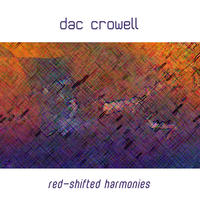
Red-shifted Harmonies


DAC Crowell is a 41 composer from Illinois.
He hate describing his music, but he say

As for the sound of my own work, it often employs sounds that change _very_ slowly over time. So there are a lot of drone-type elements, things which appear to repeat, and the like…but the real fact is that there are very slow permutations going on, usually at a rate slower than most listeners’ perceptions. I also like a very ‘immersive’ sound, something which surrounds and envelops the listener. At first, this might seem like I’m trying to do something ‘New Age’, but I don’t think the term applies at all because I often like to add ‘noisy’ elements to my works, or use an overall feel that’s darker than the average fluffy New Age sound.

DAC Crowell è americano. Ha 41 anni e compone dei brani in lenta evoluzione pubblicati dalla netlabel Magnatune. Ha studiato.
Nella sua pagina in Magnatune trovate molte informazioni.
Mi piace la sua dichiarazione di amore per le onde corte. È una cosa che da bambino ho provato anch’io: passavo ore a giocare con la radio.

Years and years ago, around the same time I was first learning piano as a small child, I also encountered the shortwave radio. It fascinated me…this box of strange sounds, pulsations, voices from other places phasing in and out. And then later in the 1960s, I heard the first stirrings of the Moog synthesizer…and others as well, as I attended a concert given by David Rosenboom while still in the second grade, with him performing his meditative style of electronics on a massive ARP 2500 rig. I suppose it was that formative experience that cemented what I was to try and do in my life.

Dall’album omonimo del 2003, Red Shifted Harmonies.