Ultima puntata, Speriamo abbiate gradito…

Intermezzo 2
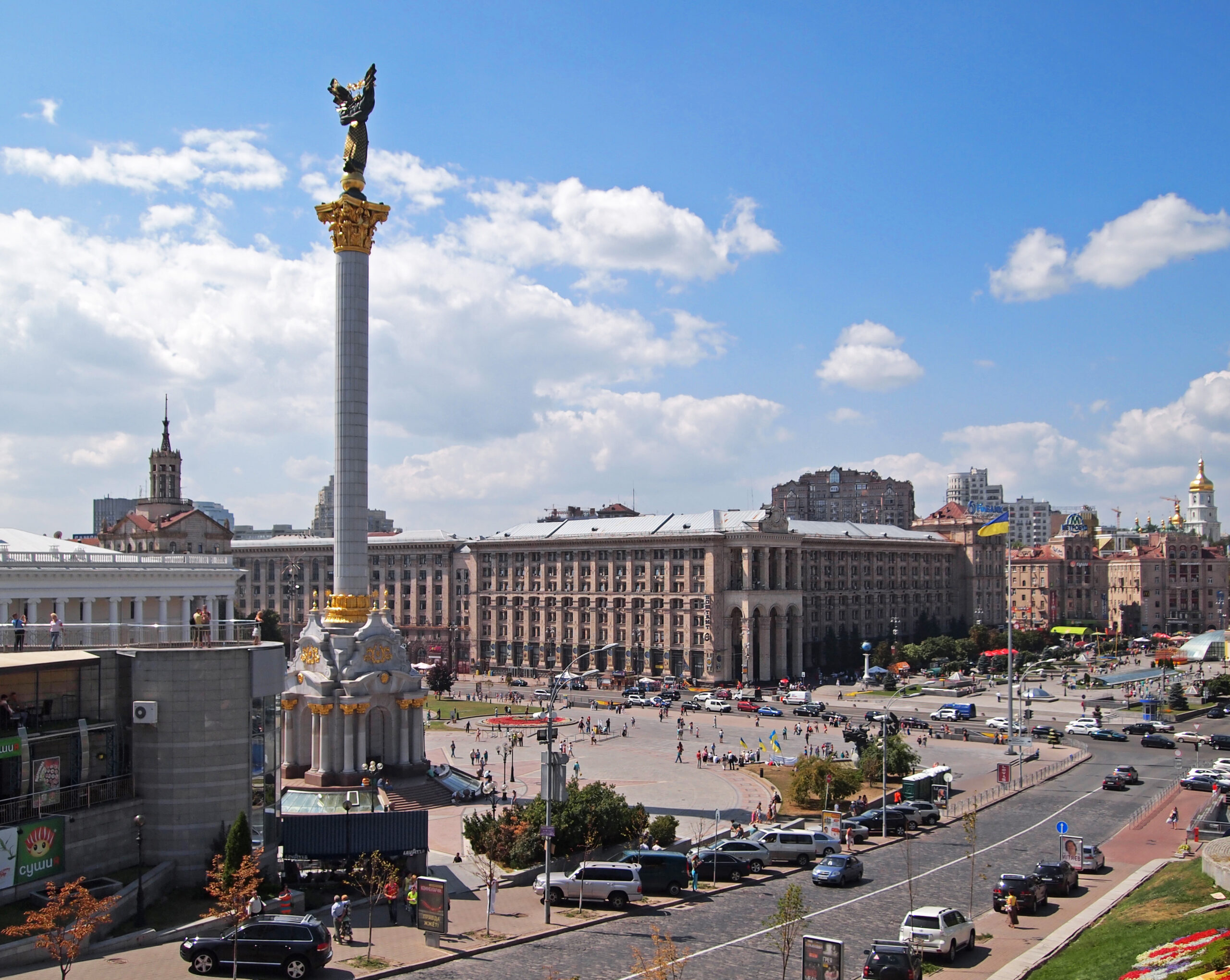 Kiev appare nel suo splendore. E’ illuminata come un palazzo orientale e ingioellata come una donna. La gente si riversa sul kreshatik, la grande, monumentale via centrale, e canta e balla. Kiev non è l’Ucraina come New York non è gli Stati Uniti. Al dei là dello Dnepr si accalcano i nuovi quartieri che sorgono sulle macerie delle periferie di ieri. Giganteschi silos inzuppati di vite umane sembrano nascere dal nulla: come a Las Vegas nascono dalla polvere di un deserto, queste nuove, sterminate cose abitate, e fanno pensare ai racconti di fantascienza, in cui i panorami disumanizzati sono lì a testimoniare di un mondo che fatica a riconoscersi.
Pop Star
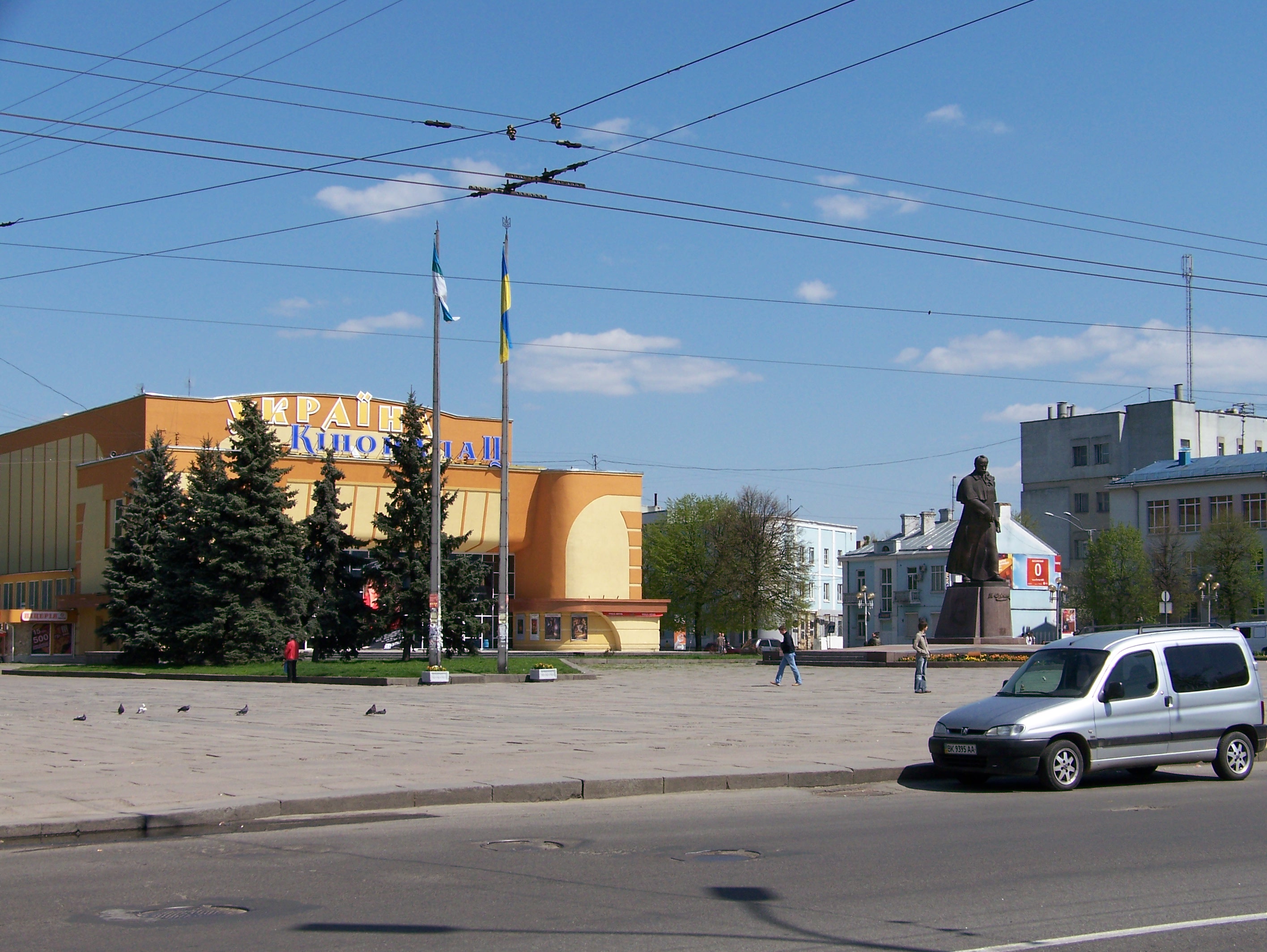 L’autobus che porta a Rivne parte dalla stazione dei treni di Kiev. Non è un vero e proprio autobus. È un cabinato, a 12 posti, che qui chiamano marshrutka. Costa il doppio degli autobus statali, ma è molto più veloce. Ogni giorno, in Ucraina, milioni di persone si spostano con questi mezzi. Impieghiamo 4 ore per arrivare a Rivne, città che ogni giorno si affolla di gente per il bazaar, mercato all’aperto dove si trova tutto il necessario. A pranzo Pavlo Baginsky, il direttore d’orchestra, coreano di Mosca, figlio delle politiche transrazziali del comunismo orientale e trapiantato in Ucraina, mi illumina sulle differenze tra gli aggettivi rusky – russisky. Dice: “Tutto che quello che si riferisce alla grande stagione culturale della Russia fino al crollo della Soyuz è chiamato rusky. Tutto quello che viene dopo, invece, è russisky”. Leggo in questo calmo e attento specificare un tono quasi dispregiativo, nei confronti della nuova Federazione Russa. Non corre buon sangue fra molti russi e molti ucraini.
Dopo il concerto, foto finale con ragazzine che studiano il francese ma che evidentemente trovano l’Italiano egualmente esotico.
E poi aspettiamo le due di notte, nella stazione degli autobus, circondata da qualche locale notturno, dal quale fuoriescono barcollanti minigonne e chiassose sacche di pelle nera; involucri accattivanti i primi e disgustosi i secondi, che contengono la vita notturna di Rivne. Arriviamo a Kiev alle sei e trenta, dopo una notte insonne passata ad ascoltare alla radio le pop stars dell’ex-madre russia.
[webcam a Rivne, a volte un po’ fuori fuoco; nota mia]
Il lungo ritorno (1)
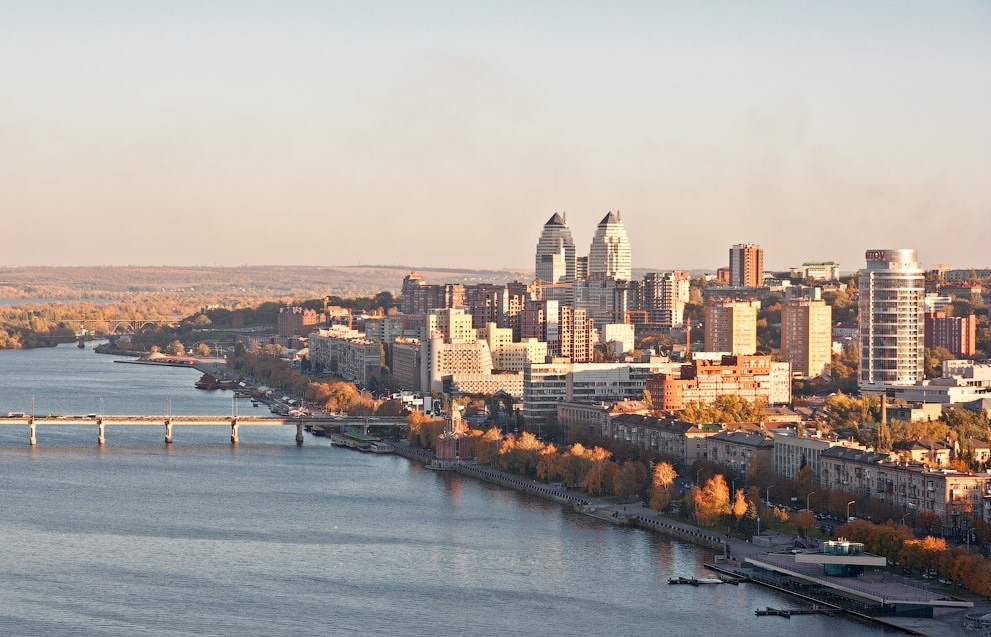
Nella mia stanza c’è un odore acre e pungente di piscio. Alzo la testa sul soffitto e scopro una colonia di zanzare che sopravvivono purtroppo anche con il freddo. E’ l’Hotel che ci ospita a Dnipropetrovsk, città che non ha ancora cambiato i nomi delle vie dopo il crollo dell’Unione Sovietica. La sala della philarmonia si trova in Lenin uliza, mentre l’albergo nelle vicinanze della Marxiskaja. Il teatro è, come al solito, in remont e i soldi per la ristrutturazione si raccimolano ospitando all’entrata un bazaar che vende ogni cosa: spazzolini da denti, accessori per la casa, indumenti a costi popolari, giornali, pellicce sintetiche, sigarette. Si accede sul palco da un’entrata laterale, dove in vestito da concerto, passiamo attraverso una fumosa sala da biliardo (noto al tavolo una bionda e una mora con pantaloni neri attillati che maneggiano la stecca, soddisfando appieno il più esigente immaginario maschile) e di video poker, che qui chiamano automaty, ai quali sono automaticamente attaccati giovani dall’aria poco simpatica.
A Dnipropetrovsk in pochi parlano ucraino. Il russo è la lingua ufficiale. L’Italia, come al solito, è un immaginario collettivo, una specie di sogno presente nelle vie, nella gente: ma un sogno che si frantuma nella catena di ristoranti Celentano (dove si mangia malissimo), nelle canzoni di Ramazzotti e Masini alla radio, nel concerto di Toto Cotugno. E vedere il suo nome in cirillico fa un certo effetto.
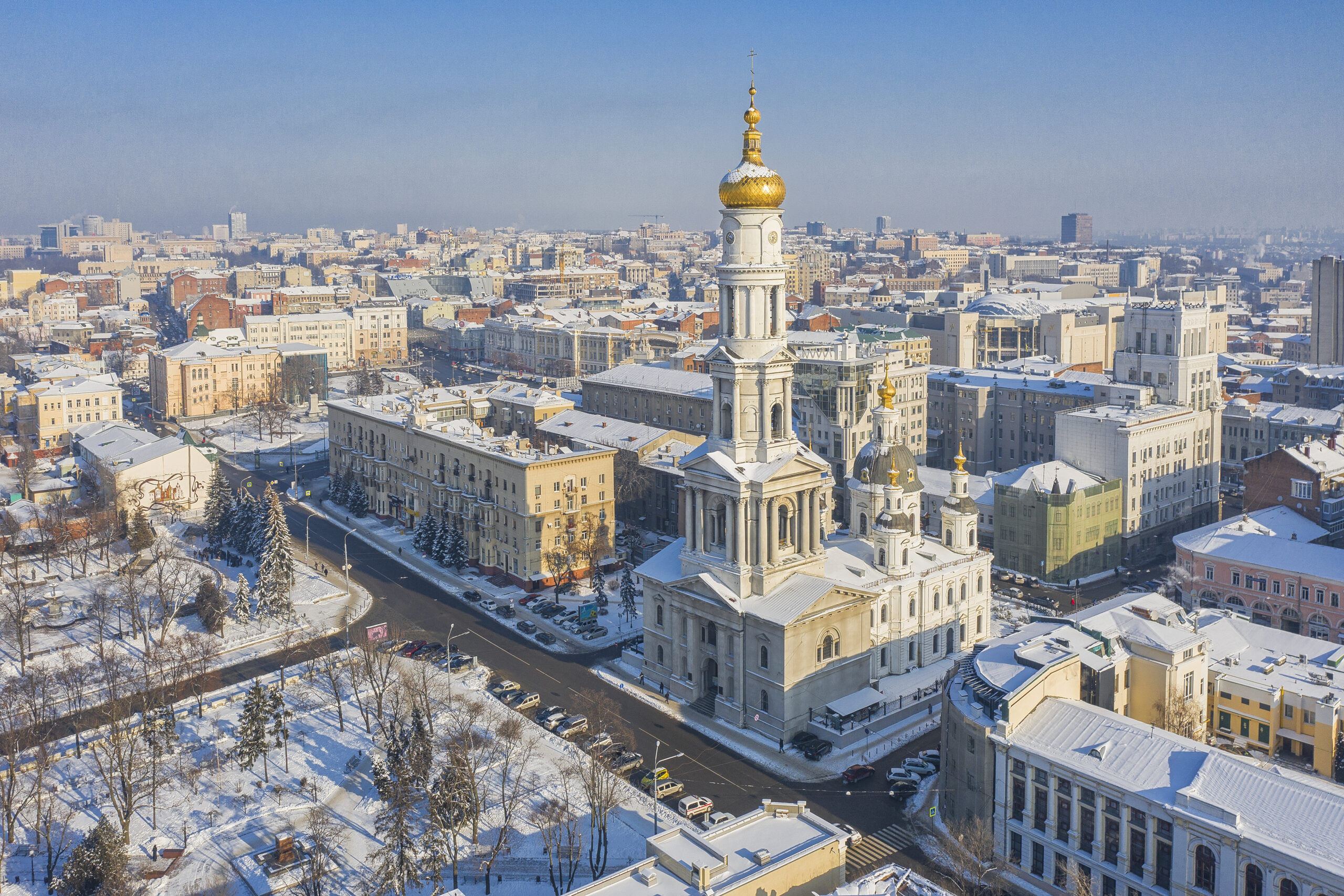 Veniamo, scendendo a sud-est da Kiev verso Poltava, da Kharkov (Kharkiv), ex capitale ucraina dell’era sovietica. Fa un milione e mezzo d’abitanti e vi si trova la più grande piazza d’Europa, come dice la guida, in stile post-cubista. In piena crescita economica Kharkov è una città viva, piena di cafè-bar, negozi e ristoranti. La Russia è a soli 15 chilometri. Da qui parte l’ autostrada, su su fino a Mosca. Alla sera dopo il concerto si mangia con Sergey, moscovita ma con origini del Kazakstan, che vive da quindici anni a Singapore ed è appassionato di musica. Di lavoro installa impianti audio per auto. Entusiasta del nostro concerto ci offre la cena in uno dei ristoranti più frequentati dai nuovi ucraini, legittima estensione dei nuovi russi: il Pappagallo Verde. Effettivamente, come mi mostra fieramente un cameriere fin troppo ossequioso, il variopinto animale se ne sta nella sua gabbia. Insieme a lui popolano il ristorante energumeni dai colli schiacciati, vestiti di nero o panna con cravatte sgargianti, accompagnati da bionde ossigenate in abito rosso-viola-rosa, con stivali neri fino alle ginocchia, e che fumano, una dietro l’altra, le sottili sigarette, quasi-simbolo dell’ emancipazione femminile.
Prima di andare a dormire guardo fra le mie cose, e trovo uno spartito che una tale Olga Eduardovna (come leggo sul biglietto da visita) mi ha consegnato subito dopo il concerto. “Questa è una mia composizione, tu devi suonarla”, mi ha detto, mentre non vedevo l’ora di togliermi lo smoking. Poi farfuglia qualcosa che non capisco. I suoi occhi sono segnati da un’incalcolabile tristezza, e il suo corpo, ricurvo e modesto, provato forse da qualche malanno cronico. Nel stringerle la mano e nel ringraziarla, le provoco una smorfia di dolore che non so scusare. Si prova qualcosa che deve assomigliare alla vergogna, nel non capire ciò che le persone dicono, nel non sapere, alla fine, chi sono e da dove vengono.
Intermezzo 2 (prima del lungo ritorno 2)
Cioran dice, in Storia e Utopia, che il popolo russo (estendo la cosa anche agli ucraini) possiede una speciale inclinazione ed ossessione per la grandezza. Bolshoy (grande; sic) kolossalna, catastropha, sono normali aggettivazioni disseminate nei discorsi degli abitanti di questo pezzo di pianeta. Vi è nell’eloquio, un’appariscente e megalomane tendenza all’approssimazione per eccesso. Il risorgimento dell’anima slava/russa/ucraina si attacca ad un’isterica quanto encomiabile attenzione per le manifestazioni di quell’individualismo eroico e anche un po’ maschilista (e oggi, comunque, consumistico e lievemente pornografico) che l’etica comunista ha cercato di estirpare, ottenendo al contrario una generazione di nazionalisti e sessisti, per la verità, un po’ goffi.
Il lungo ritorno (2)
Quattro giorni ci separano dalla frontiera ungherese. Sulla via sbagliamo strada e ci troviamo faccia a faccia di fronte alla Moldavia. Non nascondiamo una certa curiosità di varcare il limite, visto, a quanto si dice, che in Moldavia ci siano delle donne bellissime. Non appuriamo la cosa e, dopo 900 km di autostrada ucraina, pensiamo bene di fare rotta verso Ivano – Frankivsk e poi, l’indomani, verso Uzgorod, dove abbiamo l’ultimo concerto. A Ivano – Frankisvsk, ci fermiamo per una visita alla città. Nella chiesa della Madre del Nostro Signore (nome attribuitole solo negli anni ‘60, in onore al poeta nazionale Ivan Franko) ci si rende conto di come Dio qui sia forte e fisico, corporeo. Il senso religioso che trasuda dalla gente è fatto di ardenti baci alle icone, di un continuo e danzante segnarsi, in senso contrario al segno cristiano-romano, di ex-voto depositati ai piedi delle immagini votive. L’inginocchiamento repentino e senza esitazione di vecchi e giovani ha qualcosa di imbarazzante e allo stesso tempo ammirevole, come è imbarazzate ed ammirevole ogni segno che unisce in sé abbandono, fiducia, speranza, rassegnazione.
A Uzgorod, tranquilla cittadina adagiata sul fiume Uz ( che significa biscia ) e appoggiata al confine slovacco (2 Km, che si possono fare a piedi) alloggiamo nel sovietico Hotel Zakarpathia, al decimo piano, in classe economica, cioè senza televisione. L’acqua calda c’è, come sempre, al mattino e alla sera. Di fronte alla mia stanza una nuova cattedrale ortodossa. Guardandola, mi pare di stare a Baghdad. Mangiamo benissimo in un ristorante che si chiama Old Continent, a nostre spese. Un opuscolo turistico rivela come qui vivano, side by side, ucraini, rom, slovacchi, cechi, ebrei, ungheresi, qualche tedesco. L’indomani, alle sette e mezza di mattina, siamo pronti per apparire sulla National Transcarpatian Radio and Television, per l’ennesima intervista. La conduttrice, molto carina e gentile con il suo tailleur su misura, è intonata perfettamente con il divano giallo e verde; io, faccia stravolta, col solito vestito color tabacco, mentre Oles indossa il gessato del sarto più famoso di Kiev, tale Voronin, che lo fa apparire il più ucraino degli ucraini. L’ abito, direi, fa il monaco.
Il concerto è stasera alle 18.00. Siamo sicuri che andrà tutto bene…



 An evolving, resonating journey through splintering landscapes and mysterious characters. Abstractions and forms are reverberated in fragile soundscapes of chaotic planes and unsettling arrhythmic patterns. Is it film or an improvised VJ cut-up? Is it visualized music feeding back into images, or images generating music?
  Un altro lavoro di Lezrod (aka David Velez) pubblicato, come al solito da test tube. Questa volta si tratta di 10 pezzi che accompagnano altrettanti video da proiettare in un sushi bar a Las Vegas. Il tutto con il significativo titolo di fear and loathing in rio/tokyo (paura e disgusto in rio/tokyo).