Insect Lab

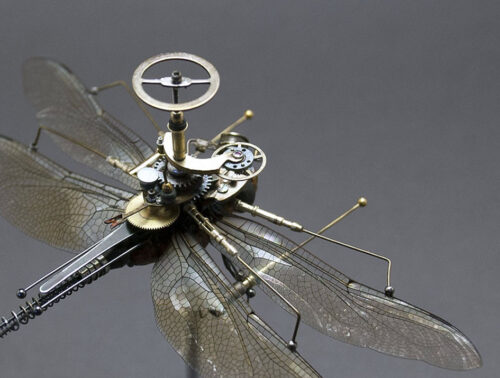
Mike Libby costruisce insetti. Si definisce

a multi-disciplinary artist who makes highly detailed sculptures, models, collages and drawings. Through diverse materials and methodologies, I explore themes of science, nature, fantasy, history and autobiography; highlighting illogical and acute correspondences between the real and unreal. For the past 8 years, alongside my other body of work, I have enjoyed developing the work presented here as Insect Lab.

e sulla nascita di questa passione, afferma

One day I found a dead intact beetle. I then located an old wristwatch, thinking of how the beetle also operated and looked like a little mechanical device and so decided to combine the two. After some time dissecting the beetle and outfitting it with watch parts and gears, I had a nice little sculpture.

insect lab

Sito di riferimento: Insect Lab.

La chitarra nel 21° secolo

Spectra: guitar in the 21st century è una interessante compilation pubblicata dalla netlabel quietdesign.

I musicisti rappresentati sono in gran parte sconosciuti ai più, ma tutti sono impegnati ad estendere le possibilità di questo strumento spesso grazie anche all’inserimento dell’elettronica. E secondo me questo è uno dei casi in cui l’elettroacustica di confine supera nettamente la ricerca “accademica”. Mentre quest’ultima è ancora impegnata a porsi il problema dell’inserimento dell’elettronica in composizioni in gran parte acustiche, con relative problematiche come la standardizzazione della partitura, questi tipi, ai quali vanno sicuramente affiancati anche musicisti come l’Hans Reichel di qualche post fa e personaggi come Fred Frith, invece, agiscono.

Certo si può obiettare che forse il loro livello di progettualità è scarso, ma quando esiste la ricerca sonora, la progettualità la segue; è solo questione di elaborare delle idee a partire dai materiali sonori.

Gli artisti coinvolti sono:

  • tetuzi akiyama
  • cory allen
  • erdem helvacioglu
  • jandek
  • kim myhr
  • duane pitre
  • sebastien roux
  • keith rowe
  • mike vernusky

Alcuni estratti:

Saviano

Per una volta la TV serve a qualcosa. E non è vero che non c’entra con questo blog perché questa è una storia estrema. Ed è una storia di cui non ci libereremo mai. Perché per liberarsene bisogna che la politica lo voglia e che la maggior parte del paese lo voglia. E non è così.

MoPhO

La Mobile Phone Orchestra (MoPhO), creata presso il CCRMA dell’Università di Stanford, utilizza i cellulari come piattaforma musicale.

I particolari in questo articolo e nel video seguente.

Information Mechanics

Un impressionante brano del chitarrista e improvvisatore Henry KaiserInformation Mechanics

Qui potete ascoltare l’intero album.

This is the equipment HK most typically uses when performing or recording

ELECTRIC GUITARS

Steve Klein Custom Electrics – Danny Ransom guitars – Modulus Graphite Neck guitars – Moonstone M-80 – Moonstone Z-80 – James L. Mapson 7-string – Tom Anderson Cobra – Tom Anderson Classic strat type – Rick Turner Model T

BASS GUITARS

Jerry Jones 6 string bass – Rick Turner Rennaisance fretless bass

SPEAKERS

JBL D-120JBL D-130

EFFECTS RACK

Lexicon MPX-1 – Eventide 3500 – Lexicon PCM-42 – Eventide 4000 – TC 2290 – Aleisis Midiverb II

PICKUPS

Alembic Activator – Bartolini – Sunrise – Turner

ACOUSTIC GUITARS

Monteleone Eclipse – Dana Bourgeois Anniversey Model – Dana Bourgeois Bourgeois Blues – Stefan Sobell 12 fret – Bohmann 12 fret – Ralph Bown baritone – Ralph Bown 12 fret – Danny Ferrington baritone – Santa Cruz Koa D – Marc Silber K&S Leadbelly Model 12 string

AMPS

Dumble Overdrive Special – Dumble Steel String Singer – ADA Cobra – Fender Super Champ – THD V-Front – Trainwreck Rocket – Trainwreck Liverpool

PICKGUARDS

Clown Vomit

Cos’è successo al pianista?

Nel vedere questo estratto del Concert for Toy Piano and Orchestra (2005) di Matthew McConnell, brillantemente eseguito da Keith Kirchoff, sembra che un incantesimo abbia colpito pianista e pianoforte.

Il piano giocattolo, invece, è uno strumento con un repertorio specifico (fra gli altri, Cage, che peraltro non è l’unico).

New England Conservatory Symphony Orchestra. Sergio Monterisi, conductor. Recorded in NEC Jordan Hall

Mumma

Gordon Mumma è una figura storica della musica elettroacustica negli USA, Fondatore dell’Ann Arbor’s Cooperative Studio for Electronic Music con Robert Ashley, ha lavorato per la Merce Cunningham Dance Company (con John Cage e David Tudor) ed è stato membro della Sonic Arts Union con Ashley, Alvin Lucier e David Behrman.

Qui vi propongo due brani: Epifont (1984), un breve studio dalle sonorità sostenute scritto in memoria del compositore George Gacioppo e il monumentale Megaton for William Burroughs del 1963, che meriterebbe di essere visto più che ascoltato, dato che gli esecutori (Robert Ashley, Harold Borkin, Milton Cohen, George Manupelli, Joseph Wehrer, Tony Dey e Gordon Mumma) sono alle prese con varie sculture sonore.

Gordon Mumma – Epifont (1984)

Megaton for Wm. Burroughs is a theatrical live-performance electronic-music composition with ten channels of sound. An ensemble of electro-acoustical sculpture,performed by five players, is heard from four of the channels. Six channels of composed tape are heard from the remaining loudspeakers. The performance takes place in the center of the space, with the audience surrounding the sculpture ensemble. All ten channels are heard from loudspeakers surrounding the audience.

“The thunderous four-minute introduction begins abruptly with a blackout. As the introduction fades, the sculpture gradually becomes visible, illuminated so that the performers are isolated from each other in the space. The performers communicate with each other by means of aircraft headsets. This communication coordinates the performance and is not heard by the audience.

“The live-performance section with the sculpture, which grows out of the fading introduction, occupies nearly half of the piece. The performers, isolated in space but communicating by their headsets, develop an increasingly complex sound montage with the electro-acoustical sculpture. Invisible taut-steel wires above the audience carry speeding, projectile-like flashing objects. The movement of these objects sets the overhead wires into vibrating resonances which, when amplified, become part of the sonic montage.

“As the illumination fades near the end of this live-performance section, a drone emerges and becomes recognizable as that of an aircraft squadron. The isolated images of the performed sculpture evolve through the drone into the sounds of World War II bomber crews communicating with each other from isolated parts of their aircraft during the course of a raid.

“The piece has evolved gradually but directly from its thunderous, abstract beginning through the electro-acoustical montage and into a cinema-real air raid. A brief burst of heroic movie music introduces the closing sequence: in an entirely different part of the space, in an isolated pool of light a lone drummer quietly rides his traps.”

Ode Machine

k. roweKeith Rowe, forse il prototipo dei chitarristi improvvisatori di scuola anglosassone, esegue un brano di Cornelius Cardew tratto dall’album “A Dimension of Perfectly Ordinary Reality” del 1990.

Solo prepared guitar recording from the AMM member who pioneered the table-top guitar technique in his free improvisations back in the ’60s and thus influenced everyone from Syd Barrett through to Fred Frith and Jim O’Rourke. A Dimension of Perfectly Ordinary Reality is a live recording of Rowe solo outside of the AMM context he shares with percussionist Eddie Prevost and pianist John Tilbury. The array of sounds that the Englishman coaxes from the mere six string instrument is phenomenal, and his art is to extend upon the prepared piano techniques pioneered by John Cage and apply them to the electric guitar. As ecstatic as Derek Bailey, the comparison stops there as Rowe scarcely even puts his fingers on the string, instead opting for radio feedback, arco, and any number of kitchen implements to attack the guitar. To the uninitiated this may sound like clattering mess of noise. A Dimension of Perfectly Ordinary Reality is certainly far from it, as the dexterity with which he approache…s abstraction is prodigal. It is no doubt then that everyone from Sonic Youth, Henry Kaiser, and even Frank Zappa could accredit Rowe as inspirational. His activities on recordings increased dramatically in the year 2000, with the proto-noise artist directing MIMEO and collaborating with improv mainstay Evan Parker on numerous recordings. This CD is a great document of one of his scarce solo performances.
[Martin Walters, All Music Guide]

Cornelius Cardew (Arr. K. Rowe) – Ode Machine No. 2
K. Rowe prepared guitar, voice
Recorded at the Holywell Music Room, Oxford on 5 July 1989

Via bravo Juju

Facce elettriche

Daito Manabe trasforma i suoni in impulsi elettrici atti a stimolare i muscoli del viso e testa il sistema sui suoi amici.

Daito Manabe:Direction,programming and composition

supported by
Masaki Teruoka and Katsuhiko Harada: device
Taeji Sawai: sound design

upper left: Muryo Honma
upper right:Setsuya Kurotaki,
lower left: Motoi Ishibashi
lower right: Seiichi Saito

Audiogrammes

Audiogrammes è un brano di Benoit Moreau il cui titolo si rifà ai Calligrammi (poesie in forma grafica datate 1913) di Guillaume Apollinaire. Si tratta di musica in parte scritta e in parte improvvisata che esiste in due versioni:

AUDIOGRAMMES I : versione per quattro solisti

  • flauti dolci
  • sassofoni
  • percussioni
  • elettronica

AUDIOGRAMMES II: versione per quattro solisti e quattro ensembles

  • flauti dolci solo + flauto traversiere, violino, contrabbasso
  • sax solo + clarinetti, trombone, violoncello
  • percussioni solo + viola, percussioni
  • elettronica solo + pianoforte

Qui ascoltiamo Audiogrammes II, eseguita il 7 Giugno 2008 al Conservatorio di Ginevra.

Benoit Moreau – Audiogrammes II

Anne Gillot: flûtes à bec
Laurent Estoppey: saxophones
Alexandre Babel: percussion
Benoit Moreau: composition, électronique

Il brano è scaricabile dall’Internet Archive

Korg Nano

Un trio di controller USB prodotti da Korg, utili, piccoli e abbastanza economici (€ 59 ciascuno).

  • Il nanoKONTROL ha 9 slider MIDI (controlli continui), altrettanti potenziometri, 18 pulsanti e una sezione di transport.
  • Il nanoPAD possiede 12 pad sensibili alla dinamica, ognuno capace anche di inviare fino a 8 messaggi MIDI (note o controlli). Inoltre ha un touchpad X-Y.
  • nanoKEY, infine, è una tastiera con 25 tasti, valocity sensitive, 8va mobile, pitch bender e modulation wheel.

Disponibili nei due colori visibili in foto.

Music for Airports reloaded

coverBrian Eno’s Music for Airports (1978) played a very important part in the concept and development of ambient music. One could say that ambient music is not a music to be listened to, but a music to be heard, as a subliminal background creating a soundscape for various places or buildings. Supermarkets and elevators are usually places where a poor music is played, one calls it muzak. Brian Eno’s idea was to conceive a sophisticated musical soundscape instead of this anonymous FM music, and he chose airports as the best places where such a music could be heard and understood, creating an unusual and quiet sonic background among all the noises and announcements of a airport terminal.

Music for Airports is a masterpiece, with its subtle piano tracks, its complex electronic treatments, its choral parts, and its slow and organic development.

In 1998, Point Music, a label directed by Philip Glass, released this amazing interpretation of Music for Airports by Bang on a Can: Robert Black (bass), Lisa Moore (piano, keyboards), Evan Ziporyn (clarinet, bass clarinet), Maya Beiser (cello), Steven Schick (percussion), a choir of female voices and additional musicians playing pipa, flute, horn, trumpet, trombone, violin, cello, mandolin and mandocello.

This chamber music ensemble plays Eno’s compositions with fidelity and creativity at the same times. The acoustic instruments create a rich harmonic soundscape and add a very original touch to the original recording.

This peaceful, quiet and slow music is very evocative and poetic: the cover version is as beautiful as the original…

Excerpt from Brian Eno – Music for Airports 1.1 – played by Bang on a Can

Via Just Another Garden

20 anni di WWW

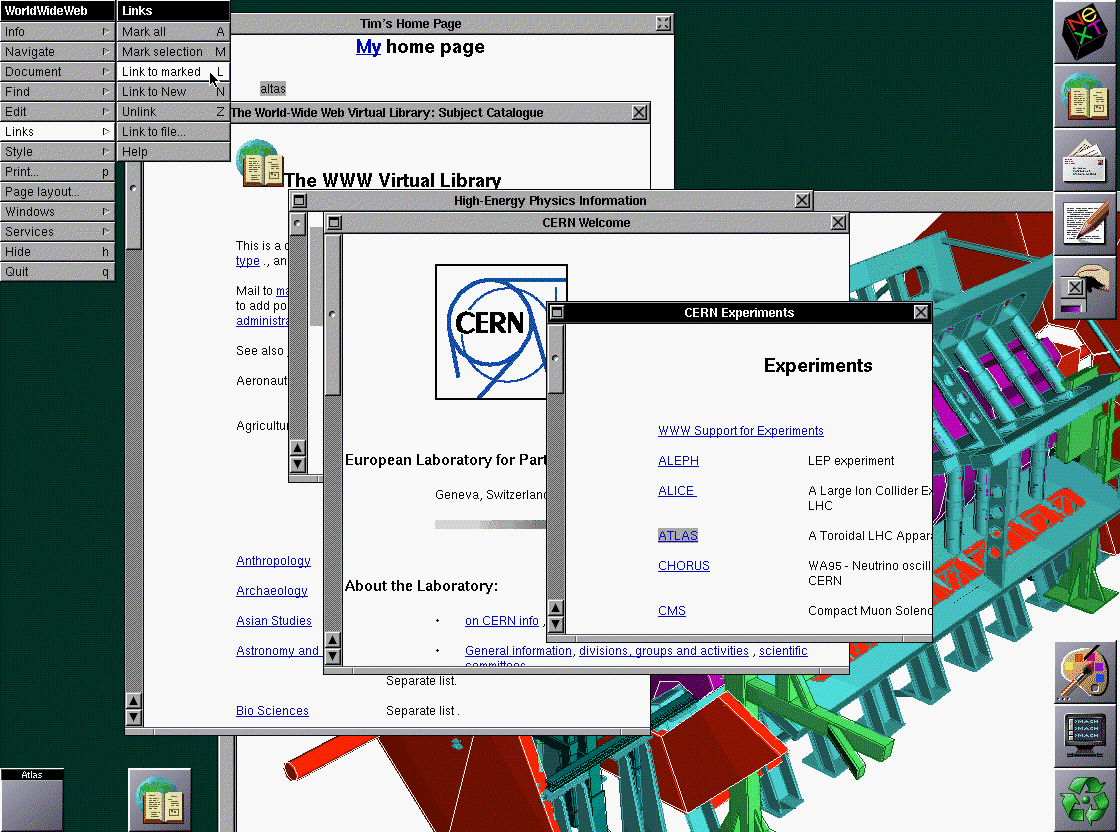
the original browserIl World Wide Web, chiamato piu’ familiarmente “Web”, compie oggi 20 anni. A festeggiare il ventesimo compleanno del www oggi, al Cern di Ginevra dove è stato inventato, si è tenuta una cerimonia a cui era presente anche uno dei suoi ideatori, il ricercatore inglese Tim Berners-Lee che, insieme al fisico belga Robert Cailliau, ideò il protocollo http per cui scrisse il primo server e il primo client, lo storico browser chiamato proprio WorldWideWeb. Scrisse inoltre la prima versione del linguaggio di formattazione di documenti con capacità di collegamenti ipertestuali conosciuto come HTML.

Era il 13 marzo 1989, un lunedì, quando Berners-Lee sottoponeva al suo superiore, Mike Sendall, un progetto riguardante un nuovo sistema di gestione dell’informazione, volto a mettere in rete gli scenziati del centro ginevrino e i loro colleghi nel mondo intero. “Un po’ vago, ma promettente” annotò Sendall sul documento, autorizzando tuttavia Berners-Lee a proseguire i lavori. Nel settembre 1990, il ricercatore ricevette un computer NeXT Cube, col quale, nel dicembre successivo, sviluppò il Web (NB: il Web, non Internet).

Se il Web non ha più nulla a che vedere con il sistema d’informazione che all’epoca della sua nascita collegava soltanto un piccolo gruppo di computer del centro di ricerche, “le sue radici saranno per sempre legate al Cern” ha rilevato Berners-Lee nell’ambito della cerimonia odierna, durante la quale il ricercatore britannico ha effettuato una dimostrazione con il browser originale. “Lo spirito creativo che ha permesso a Tim Berners-Lee d’inventare il Web è ancora vivo al Cern” ha assicurato da parte sua il direttore generale del mega centro di ricerche di Ginevra, Rolf Heuer.

Nell’immagine (click to enlarge): lo storico browser mentre gira sul sistema Unix del NeXT. Ed è solo perché è stato inventato al CERN e gira su Unix che oggi il web si basa su protocolli liberi e gratuiti, perché se fosse stato creato da IBM, Microsoft o Apple, oggi pagheremmo caro ogni click. Ricordàtelo bene.

Leonard Cohen in concert

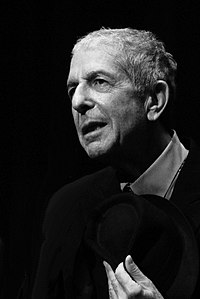
leonard cohenIl poeta e cantautore canadese Leonard Cohen è di nuovo in tournée negli States dopo 15 anni.

In questo link di npr-music potete ascoltare buona parte del concerto al Beacon Theatre in Manhattan. 12 pezzi per 1 ora e 14. Cohen rivisita famosissimi brani come “Dance Me to the End of Love,” “Bird on a Wire,” “Chelsea Hotel,” “Sisters of Mercy,” “Suzanne,” “Hallelujah,” “I’m Your Man,” “Famous Blue Raincoat.” Non occorre essere dei nostalgici per apprezzarlo.

Cliccate “Hear the music“, sopra l’articolo. Si apre una pagina con il player, vi beccate la pubblicità dell’ultimo disco di Van Morrison e poi inizia lo show (solo audio).

Be quick; non so quanto dura (invece dura ancora dopo 15 anni)

UPDATE

Mi sono reso conto solo adesso che nella pagina del podcast c’è, per forza di cose, l’mp3 (a volte non sono sveglissimo). Potete ascoltarlo o scaricarlo (tasto destro e salva) a questo link.

Pubblicato in Pop

Theremin come controller

Pochi sanno che la Moog ha un canale su You Tube. E non molti sanno che Moog è anche uno dei più grandi produttori di Theremin. L’ultimo modello è l’Etherwave Plus.

Recentemente Moog ha esteso l’area di utilizzo dell’Etherwave Plus, impiegandolo come controller di una apparecchiatura analogica. In questo video lo si vede controllare il filtro di una Moog guitar con l’effetto di agire sul timbro di quest’ultima.

Dal punto di vista di un elettronico, il giochino è banale perché una tensione è una tensione, da qualsiasi parte venga e da qualsiasi cosa sia generata, tuttavia mostra chiaramente come il mondo dei controller audio potrebbe essere esteso in molti modi.

Fall

Kaija Saariaho – Fall – for harp and live electronics

Consuelo Giulianelli on harp – Live in Basle, 16.05.2008 – Live electronics by Thomas Pete

Stop Recycling, Start Repairing

Sono ormai anni che l’industria produce oggetti non riparabili. Con il – a mio avviso – pretesto della sicurezza, si fabbricano oggetti che non si possono aprire e smontare senza appositi attrezzi, ma, in tal modo, è impossibile ripararli da soli.

Di conseguenza, un frullatore con un banale filo staccato viene buttato e sostituito perché è inapribile dal cittadino comune e inviarlo ad un laboratorio costa troppo rispetto al suo prezzo da nuovo.
Lo stesso oggetto, invece, potrebbe essere aggiustato in casa da qualsiasi umanoide dotato di un minimo di buon senso.

Tutto ciò aiuta il consumo, ma produce anche rifiuti e sprechi a non finire.

Il sito olandese Platform21 ora promuove una campagna per rendere riparabili gli oggetti.

Platform21’s Repair Manifesto opposes throwaway culture and celebrates repair as the new recycling.
With our new project, Platform21 = Repairing, we seek to make repairing cool again – with your help. Let the manifesto inspire you, comment on it or add to it. Rediscover the joy of fixing things and share your most ingenious repair, your tips and your tricks. You could present them in person later, or see them on our website or in the exhibition that opens on Friday 13 March.
This project is about sharing knowledge and skills. Together we can start a movement, one that isn’t new per se but has been forgotten. So if you know a way to save a product, let us know by emailing info at platform21 dot com.

Fragilità come sorgente di tutte le cose

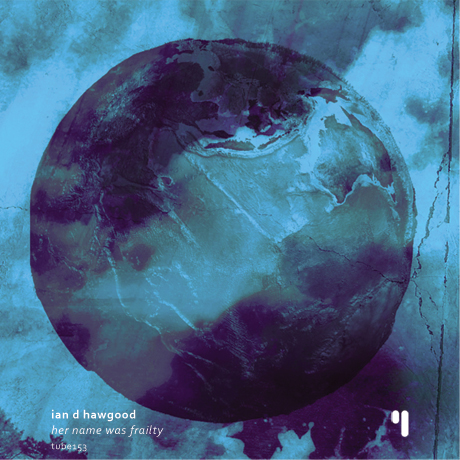
coverThis is one of those releases that floods me with metaphorical insights.
In the beauty of breakage we find some of the answers for our deepest questions.
When something breaks, we are able to perceive it as what truly is, a collection of pieces of different shapes and sizes. Ian D Hawgood gives us four pieces of these ruined goods. Beginning with incessant timing of a vertical sound along a sea of soothing horizontality.

If frailty is the source of all things, then we ought to go back to it. All the abundant arrogance and destructive strength present in human beings has brought us to irreversible situation, into a mood that swings like the weather, each time faster and more bipolar. I believe “Her name was frailty” implies The Earth. Whenever we observe The Earth from a distance, in this case from an astronaut’s point of view, we can understand how far from reality we have strayed. The construction and sounds of this album allows me to, not only returning to a point of frailness, but also to activate a particular type of mental stimulation that empowers my psyche conceding me thoughts about restoration. Now, restoration implies an active participation in bringing the past back to life, in this case from broken to whole. This release definitely modifies my tiny rat heart.

Thanks Ian… or should I say ‘Ion’, an atom that has acquired a net electric charge by gaining or losing one or more electrons.» – Sebastian Alvarez

Excerpts:

Listen to/download the whole album

R.I.P. Henri Pousseur

Nato nel 1929 a Malmédy, in Belgio, e divenuto un affermato esponente della scuola di Darmstadt insieme a Pierre Boulez, Karlheinz Stockhausen, Bruno Maderna e Luciano Berio, è stato uno dei primi a contaminare il serialismo e lo strutturalismo tipici dell’epoca con altri stilemi, seguito a breve da altri colleghi.

Da sempre interessato alla musica elettronica, ha lavorato negli studi di Colonia e di Milano, in cui ha realizzato lo storico Scambi del 1957, per poi fondare, nel 1958, lo studio di Bruxelles.

Ci siamo incontrati qualche volta, l’ultima nel 2002 a Verona. Eravamo nello stesso concerto. Pousseur presentava uno dei suoi Seize Paysages planétaires (musica elettroacustica). In quell’occasione parlammo a lungo, più di tutte le altre volte. Gli confessai che i suoi Trois Visages de Liège erano tra i brani che più mi avevano colpito quando ero ragazzino. Lui sorrideva.

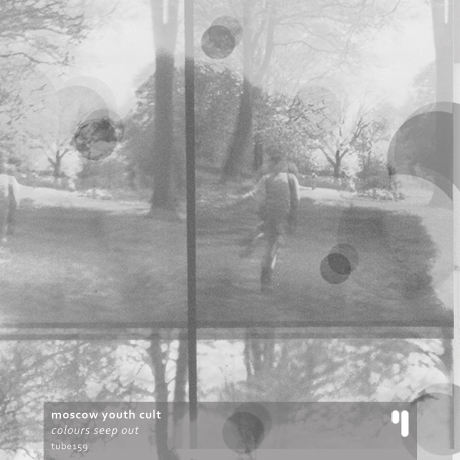
Moscow Youth Cult

coverNuova, nostalgica release da test tube.

«Warm, woozy childhood memories, and crisp blue winter skies… friends, beaches, summer… the creative joys of making otherworldly sounds on battered old synths and a Casio keyboard stuck through cheap guitar pedals… a hefty dose of unadulterated, euphoric pop melody….

Colours Seep Out is the first full mini-opus from Nottingham’s Moscow Youth Cult, an electro-ambient-pop sidearm of UK underground indie noisemakers, “Love Ends Disaster!” (currently in hiding, putting together their next album). Part a recollection of the fuzzy and optimistic late 1990’s electronica of Boards of Canada, Aphex Twin, Susumu Yokota and DJ Shadow, part the urgent electro-pop of Beck, Ladytron and Fourtet, the 9 tracks here twist and melt from evocative synthscapes (Antenna I, Sandpits) to concise spurts of noise pop (Philosophique, Sakura Sakura)… and back again, without pausing for breath. What becomes clear is Jon Dix (Guitar, Synths, Vocals, Programming & Production), Robert Sadler (Keyboards, Programming) and Leah Donovan’s (Vocals) clear enjoyment of the sensibilities of pop music, topped with a healthy does of unabashed, exciting experimentalism.» – Jon Dix

Estratti:

Listen to/download the whole album

Green Island

Green Island è un progetto visionario, utopistico e provocatorio per una Tokyo più verde.

Queste immagini, create via computer graphic, vogliono attirare l’attenzione sulla mancanza di verde nella metropoli, che pure ne ha ben di più della media delle città giapponesi. Comunque sono di grande impatto ed è incredibile pensare a una Tokyo così (click image to enlarge).

Green Island

Ensemble

L’AGP rilancia un vecchio vinile che contiene i risultati di un esperimento realizzato durante l’edizione del 1967 dei corsi estivi tenuti da Stockhausen a Darmstadt (il disco è stato poi realizzato nel 1971).

12 compositori sono stati invitati a scrivere dei brani per strumento solista e nastro o trasmettitore a onde corte (1 solo esecutore), tali da poter essere eseguiti simultaneamente. Per soddisfare questa condizione, i pezzi non dovevano essere dei prodotti finiti, bensì una collezione di interventi sonori suscettibili di dilatazioni e/o spostamenti temporali.
L’elenco di strumenti, compositori ed esecutori è:

Instrument Composer Musician
Flute Tomas Marco Ladislav Soka
Oboe Avo Somer Milan Jezo
Clarinet Nicolaus A.Huber Juraj Bures
Basoon Robert Wittinger Jan Martanovic
French horn John McGuire Jozef Svenk
Trumpet Peter R.Farmer Vladimir Jurca
Trombone Gregory Biss Frantisek Hudecek
Violin Jurgen Beurle Viliam Farkas
Violoncello Mesias Maiguashca Frantisek Tannenberger
Double Bass Jorge Peixinho Karol Illek
Percussion Rolf Gelhaar Frantisek Rek
Hammond Organ Johannes G.Fritsch Aloys Kontarsky

Gli esecutori sono stati poi divisi a gruppi di 2/3 i cui output venivano inviati a uno di quattro mixer ciascuno collegato a 2 altoparlanti. A un ulteriore, solitario altoparlante è collagato l’organo hammond. Ne risulta quindi uno spazio sonoro a 9 altoparlanti in cui viene diffuso simultaneamente l’insieme di tutti brani, secondo lo schema seguente:

La direzione dell’esecuzione è dello stesso Stockhausen. L’album, ormai fuori catalogo, contiene una riduzione effettuata da Stockhausen di una performance di circa 4 ore.

Potete scaricare il tutto in flac da AGP98.

ENSEMBLE is an experiment in adding a new concept to the traditional “concert”. We are used to comparing different pieces played sequentially. In ENSEMBLE “pieces” of 12 composers are played simultaneously.

These “pieces” are musical objects (“works”) not fully worked out. They are sound objects (produced on tape or with a short wave transmitter), with individual control, action and reaction models, and notated “events”, which are introduced by the composers to the ENSEMBLE play in the process of the actual performance.

Each composer has composed for one musician and tape or short wave transmitter. The total plan and the introduction of the parts for its synchronisation with the ENSEMBLE were established by Stockhausen. The twelve systems and their coordination were formulated during daily meetings. The resulting four hour process is more than the addition of the “pieces”: it is a composition of compositions, fluctuating between the complete isolation of the different events and the total dependence of each layer, and between extreme determinism and full improvisation.

On top of the 12 composers and musicians, who play together as “duos” – distributed throughout the room – four other musicians are responsible for using mixers to amplify and spacialize definite details and moments of the process via microphones and eight loudspeakers. Also, the position of the listener is not fixed. He can move in the room and thus establish his acoustical perspective.

The simultaneity of the compositions requires also that certain “pieces” should be heard together and related through superimposition.

This “verticalisation” of the perception of events and the relativisation of a definitive form (“piece” signed by an individual) happens not only in the field of music. — Notes by Karlheinz Stockhausen

Darmstadt International Music Institute
22nd International Seminar for New Music 1967, director Ernst Thomas

The LP version of “Ensemble” was realized in the WDR Electronic Music Studio between August 26 and September 22, 1971. The available material was:

– Recording of the rehearsal on August 28, 1967 from 19:00-23:00 (6 stereo tapes, about 4 hours duration)

– Recording of the concert on August 29, 1967 from 19:00-23:00 (6 stereo tapes, about 4 hours duration)

The challenge for me was to reduce a four-hour performance to 50-60 minutes, and therefore I proceeded as follows.

1. I wanted as much as possible to keep the formal pattern that we had developed during the Seminar

2. I wanted to keep a balance between the deterministic, less deterministic and non-deterministic material.

My working method was as follows:

1. I listened to all tapes of both recordings. The material that seemed to me adequate, I copied.

2. This selected material was listened to again, cutting out some sections, so that a series of musical events remained, which I deemed relevant.

3. In the third process – the most difficult one – this material was cut, faded in and out and mixed occasionally according to my vision (retaining the time plan in its basic structure)

Notes by Mesias Maiguashca
Singhiozzo!?

Questa non l’avevo mai vista…

Un sito web famosissimo e potentissimo (Flickr) che mi dice “Per favore, smetti di cliccarmi…

È successo pochi minuti fa, alle 18:40 del 1 Marzo 2009 mentre giravo per Flickr. Cliccate l’immagine per vedere la pagina.

singhiozzo

Pubblicato in Web

WOW!

Per una volta permettetemi un post un po’ personale…

Questo video l’ho cercato per te. Undici ikebana numerici, dallo 0 al 10, lanciati in uno spazio che è tempo. Sì, la musica è un po’ melensa, ma in fondo non sta male…

Realizzato da wowinctokyo

No comments