In realtà succede per caso, però sono molto contento di aprire questo blog parlando di John Cage.
Nella piccola chiesa di St. Burchardi, in Halberstadt (Germania), è in corso l’esecuzione di Organ2/ASLSP di Cage, iniziata nel 2001, la cui durata prevista è di 639 anni (finirà nel 2639).
In breve 🙂 la storia è questa.
La Composizione
L’ASLSP originario è un brano del 1985 per pianoforte solo: 4 pagine manoscritte, nello stile sparso e delicato dell’ultimo Cage. Il titolo è insieme una indicazione esecutiva e un riferimento al sempre presente Finnegan’s Wake:
The title is an abbreviation of ‘as slow as possible.’ It also refers to ‘Soft morning, city! Lsp!’ the first exclamations in the last paragraph of Finnegans Wake (James Joyce).
(Cage, note collegate alla partitura)
Si tratta di un lavoro in 8 sezioni, una delle quali, all’atto dell’esecuzione, deve essere omessa e sostituita con una qualsiasi altra, che, quindi, viene ad essere eseguita due volte.
La notazione è quella tipica di molti lavori di Cage, con parti non correlate fra le due mani, ma da eseguirsi simultaneamente. Le altezze sono scritte in modo preciso, mentre le durate devono essere calcolate, con una certa approssimazione, in base alla distanza fra le note. Il tempo e la dinamica sono liberi (ma quest’ultima dovrebbe essere soft). Nelle diverse esecuzioni, la durata varia fra 6 e 25 minuti.
Nel 1987, su suggerimento dell’organista Gerd Zacher, l’indicazione strumentale venne estesa all’organo e il titolo divenne Organ2/ASLSP. Chiaramente, la versione per organo è radicalmente diversa da quella per piano. Da un lato, infatti, scompare quel delicato gioco di risonanze generato da alcuni tipici manierismi cagiani, come quello degli accordi eseguiti in staccato, tranne una nota che può essere tenuta anche oltre l’estinzione e vibra per simpatia come un pedale tonale. Dall’altro, però, il cambiamento investe in modo sostanziale l’interpretazione dell’indicazione “as slow as possibile” che può essere estesa praticamente all’infinito, grazie alle note tenute. Se, con il pianoforte, tenere un accordo per 10 minuti non ha senso o, al massimo, ha un senso cagiano (l’irrompere dei suoni esterni nello spazio che si crea nella composizione), con l’organo siamo al bordone potenzialmente infinito alla La Monte Young.
In effetti, nel 1997, a Trossingen, organisti e musicologi riuniti a congresso si trovarono a dibattere, fra l’altro, dell’interpretazione di quel “as slow as possibile”, contemplando anche la tesi estrema di una composizione che trascende i limiti non solo del tempo di un concerto tradizionalmente inteso, ma del tempo stesso (il desiderio di eternità è connaturato alla specie umana). Di qui, il progetto.
Il Progetto
Il progetto è quello di una esecuzione, localizzata in Halberstadt, della durata di 639 anni. Perché Halberstadt e perché 639 anni?
Semplicemente perché la cattedrale di Halberstadt ospita il primo organo liturgico di cui si abbia notizia, il Blockwerk organ di Nikolaus Faber. Questo strumento è anche il più antico organo esistente con tastiera a 12 note organizzata secondo lo schema di quelle attuali, il che comunque non comporta una accordatura temperata. La suddetta tastiera risale, infatti, al 1361, cioè 639 anni prima del 2000, anno del secondo millennio e della presentazione del progetto.
C’è, dunque, un collegamento simbolico, un passaggio di testimone fra uno degli organi più antichi e il più popolare compositore contemporaneo (oggi, su Google, John Cage ha 26.800.000 reference, Stockhausen 3.170.000, Boulez 2.520.000, Schoenberg 5.130.000, Webern 1.520.000 e il sottoscritto meno di un migliaio. Per confronto, l’intera famiglia Bach ne ha 78.300.000).
Il luogo dell’esecuzione è la cappella sconsacrata di St. Burchardi, una delle più antiche d’Europa (ca. 1050), più volte semidistrutta e ricostruita e attualmente lasciata in stato di degrado. Si è reso, quindi, necessario un restauro. Nella stessa, inoltre, è stato anche piazzato un nuovo organo che è tuttora in via di ampliamento (nuove canne vengono installate via via che si rendono necessarie altre note).
L’esecuzione è iniziata nel 2001, il 5 Settembre, data di nascita di Cage, il cui spirito ironico si è manifestato alla cerimonia di apertura quando l’organista si è limitato ad avviare lo strumento e andarsene, in quanto la partitura inizia con una pausa la cui durata, fatti i debiti calcoli, risulta essere di un anno e mezzo.
Solo nel febbraio 2003 si sono sentite le prime note: una triade SOL#,SI, SOL# alla quale, nel 2004, si sono aggiunti due MIb in 8va, destinati a terminare il 5 Maggio di quest’anno. Il 2006 è comunque un anno ricco di eventi perché il 5 Gennaio quel che rimaneva del primo accordo era stato sostituito dal secondo: LA, DO, FA# (ovviamente i tasti vengono bloccati con dei pesi).
Per convenzione, tutti i cambiamenti vengono eseguiti il 5 di ogni mese alle 5 pm, sia per ricordare il giorno di nascita del nostro, che per facilitare la vita ai turisti.
Infine, per la modica cifra di € 1000, potete dare il vostro nome a un anno e sponsorizzare parte del progetto (anche in condivisione): una targa metallica viene piazzata sul posto con il vostro nome e una frase di vostra scelta. Gli anni fino al 2010 e anche altri nell’arco di una vita umana, sono già stati venduti. Più avanti nel tempo c’è ancora molto posto, sebbene alcuni ottimisti abbiano già acquistato il 2639.
Qualche riflessione
IMNHO (in my never humble opinion), credo che i sospetti di strumentalizzazione che nascono inevitabilmente di fronte a operazioni di questo tipo, possano essere messi da parte. Se, da un lato, è vero che la connessione con Cage può apparire forzata e gratuita (ci sono vari autori contemporanei più significativi per l’organo rispetto a lui, per es. Messiaen, e la stessa idea di composizioni che durano anni è di La Monte Young), è anche vero che nessuno ha proposto sfide visionarie come il nostro e che con questo progetto si raggiungono alcuni risultati apprezzabili:
- si restaura una chiesa del 1050
- si crea un ambiente tranquillo con un bordone di sottofondo
- si ricorda John Cage
- si stimola qualche discussione
Soprattutto quest’ultimo punto mi interessa. Perché, se a qualche mente limitata una composizione di 639 anni può sembrare solo un’idea balzana, per una che fa lavorare la propria immaginazione è una bella fonte di riflessione.
Innanzitutto, il senso musicale. Anche con durate di gran lunga inferiori a 639 anni, il senso della composizione svanisce. Come insegna la psico-acustica, quando un evento dura abbastanza da “bucare” la capacità della memoria a breve termine (inferiore al minuto), la sua connessione con il tutto si perde. In pratica, se si suona una banale progressione armonica tenendo ogni accordo per un tempo superiore al minuto, non si ha più la sensazione di una progressione, ma ogni accordo tende a diventare un mondo a sè.
Così, entrando nella chiesa di St. Burchardi non si ascolta una parte di una composizione, almeno non nel senso che diamo comunemente a queste parole. Piuttosto si entra in un ambiente che in quel momento è in quello stato. Magari il bordone è una 8va tranquilla, mentre tornando 6 mesi dopo c’è una dissonanza raccapricciante ed è bella l’idea di un ambiente sonoro che si evolve come un ambiente biologico.
Quindi, dal punto di vista sonoro, si tratta di una esperienza che, per la maggior parte della gente, è nuova, e questa è una delle funzioni dell’arte.
Veniamo adesso alla durata. 639 anni sono un sacco di tempo. In passato, simili distese temporali erano prese in considerazione solo dalle religioni (…nei secoli dei secoli…) o dagli imperi (l’imperatore dei 10.000 anni), come metafora di eternità e quindi di potenza, ma il loro unico vero scopo era quello di arginare il grande buio, di spingere l’uomo a progettare nonostante la morte, a pensare al di là non solo del contingente, ma della propria vita, cosa che, a quanto ne sappiamo, è la vera caratteristica unica dell’homo sapiens sapiens.
Adesso, nella nostra civiltà che evolve rapidamente, non siamo più abituati a pensare e a progettare in questi termini di tempo. Quale fra le cose costruite nel dopoguerra è stata progettata per durare 639 anni? Certamente non il condominio in cui vivo, ma nemmeno grandi cose come il nuovo aeroporto di Tokyo o Postdamer Platz a Berlino.
In realtà, mi chiedo se lo abbiamo mai fatto. Molto probabilmente i romani, quando costruivano arene e acquedotti, non immaginavano che sarebbero state ancora qui dopo più di 2000 anni e gli stessi costruttori della più grande opera in muratura della storia, la Grande Muraglia, non costruivano certo per i millenni, ma solo per tener lontani i barbari, peraltro con scarsi risultati. Mi chiedo anche se i progettisti delle piramidi guardassero ai millenni chiudendo gli occhi e immaginando la piana di Giza o pensassero solo a una tomba imponente per il faraone/dio.
Paradossalmente, le uniche opere moderne progettate per durare non secoli, ma decine di millenni non sono destinate alla gloria della specie umana, ma alla testimonianza della sua idiozia: sono i depositi delle scorie radioattive che decadono in 10 o 20.000 anni o il sarcofago di Chernobyl che racchiude 190 tonn. di uranio e una di plutonio, mortali per chiunque si avvicini.
Il Cage-OrgelProjekt, invece, è una costruzione culturale che non ha bisogno di grandi mezzi, ma è specificamente progettata sulla durata.
Una delle cose più intriganti di questo progetto, sempre ammesso che riesca, è proprio questa. Ripeto, 639 anni sono un sacco di tempo. Come cambieranno il mondo e la stessa razza umana in tutto questo tempo? Chi ci sarà, se mai ci sarà qualcuno, a vedere il rilascio dell’ultimo tasto? Sarà ancora umano?
E poi, che significato assumerà questo luogo in cui risuona un eterno bordone, fra 3 o 400 anni? E cosa ci sarà intorno? Sembrano domande banali, ma pensando alle sfide che ci aspettano, riscaldamento globale, conflitti economici, risorse naturali, ma anche tecnologia, spazio, ingegneria genetica, etc, mi fa un po’ rabbia il non saperlo.
Penso anche che la cappella di St. Burchardi e il suo eterno bordone siano un buon tema per un racconto di fantascienza (ho suggerito agli organizzatori di creare un concorso).
Qualcuno dice che una vita troppo lunga non ha senso, ma essere fra il pubblico alla fine mi piacerebbe, credetemi. Firmerei subito. Ho le mie ragioni.
Qui il sito del Cage-OrgelProjekt


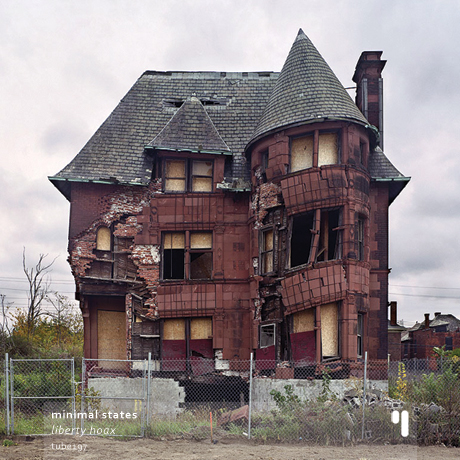
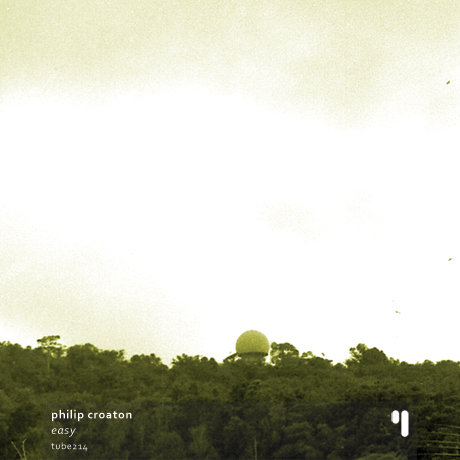 Strutture abbandonate sono quelle che vengono alla mente ascoltando questa release per Test Tube di Philip Croaton, russo, così come viene in mente Tarkovsky.
 The sound of Akashic Crow’s Nest begins with the use of an image synthesizer which turns very long photographic images into audio output, in the manner of a piano roll. The initial part of composing this music is thus designing the picture. For this latest project, the first audio output is converted to midi and run through a different softsynth, before being subjected to a battery of effects to get to the sounds you hear on this album.
 Bloom, Trope and Air are three applications developed by Brian Eno and the musician / software designer Peter Chilvers that brings to the iPhone the concept of generative music popularized by Eno.
 In the August and September 1977, two Voyager spacecraft were launched to fly by and explore the great gaseous planets of Jupiter and Saturn.
 Let’s go back to 2006.
 Sylvie Walder and entia non (James McDougall) are well-known names in the netlabel-world and beyond. Sylvie Walder released collaboration-albums with Phillip Wilkerson, Siegmar Fricke, and “_” (as Kakitsubata). entia non has released solo-works on test tube, IOD, u-cover, Resting Bell and contributions on compilations for duckbay and Slow Flow Recs.
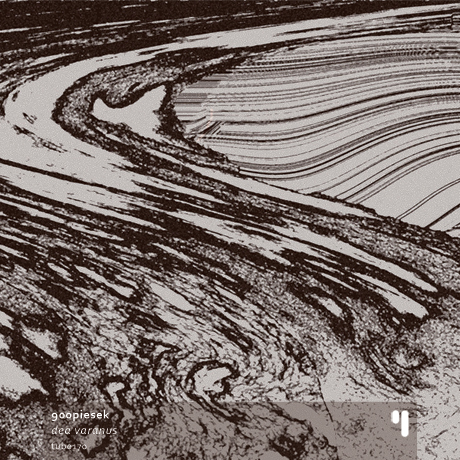 Matúš Mikula, aka 900piesek, è slovacco, uno dei giovani musicisti elettroacustici europei che creano una sorta di science fiction ambient con un po’ di nostalgia degli anni ’70.
 Ok, un po’ di tranquillità dopo lo sforzo organizzativo del Premio Nazionale delle Arti.
 Brian Eno’s
  Searching the old releases from
  Qualche novità dalla netlabel
 Century of Aeroplanes, di cui